Doggy Day Care London

Blogs

Ozempic for Dogs

23 Aug 2025


The Coming Wave of Canine Weight-Loss Drugs, Explained

Published: 22 August 2025

Key Takeaways

  • Biotech firms are testing GLP-1–style approaches for canine weight loss to reduce excessive begging, scavenging and portion size battles.
  • Okava is advancing OKV-119, a six-month implant designed to deliver exenatide (a GLP-1 mimic) in dogs, pending successful trials and approvals.
  • Earliest availability being discussed publicly is 2028–2029; timelines depend on efficacy, safety and regulators.
  • Vets still recommend a calorie-controlled diet, enrichment and regular activity as first-line care for most overweight dogs.
  • Owners can get structured help via supervised dog day care, tailored training and—for trips—safe boarding.

With the runaway success of human weight-management drugs like Ozempic and Mounjaro, researchers and biotech firms are turning to the next frontier: GLP-1–style weight-loss drugs for dogs. With estimates suggesting that up to 60 per cent of UK dogs are overweight or obese, the potential demand is obvious—so are the welfare stakes for pets and their families. For owners who already measure meals and walk daily yet still battle scavenging and begging, a safe, well-tolerated therapy could be an extra lever to help dogs reach a healthier body condition score.

What is being developed—and how might it work?
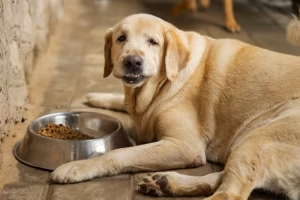
overweight dog on ozempic


Human drugs such as semaglutide (Ozempic/Wegovy) and tirzepatide (Mounjaro/Zepbound) mimic hormones that help regulate blood sugar and appetite. People feel fuller for longer and naturally reduce intake. Translating this to dogs, developers want appetite-modulating benefits without illness-like behaviour: normal interest in meals, normal playfulness—but fewer pleading eyes at the dinner table and less scavenging on walks.

One candidate drawing attention is OKV-119, a small implant intended to last around six months. Rather than daily tablets or injections, a vet would place the implant during a routine appointment. It would then release a controlled dose of exenatide—a GLP-1 receptor agonist—aiming to smooth out peaks and troughs and make compliance easier for busy households. Developers frame the goal as “appropriate portions without ‘food obsession’” rather than a dull, uninterested pet.

“What owners should expect to see is their pet eating appropriate portions without the previous food obsession—they’ll still eat regularly and show interest in meals, just without the excessive begging, scavenging or gulping behaviour.” — Okava CEO Michael Klotsman

The science in simple terms

GLP-1 is a hormone produced in the gut after eating. Among other effects, it slows gastric emptying and signals to the brain that a meal was satisfying. In people, GLP-1–based therapies can help lower appetite and improve glycaemic control. Dogs are not small humans, but they share enough physiology that similar pathways could be useful—if dosing, delivery and side-effect profiles are tuned for canine metabolism, breed variation and activity levels.

Why implants? Steady delivery may avoid the “roller coaster” of daily administration that some households struggle to maintain. It could also reduce nausea that sometimes accompanies higher peaks with other routes. That said, any implant must be easy to place, monitor and remove if needed—practicalities that trials will have to demonstrate clearly.

Why now? The scale and day-to-day cost of pet obesity

Excess weight is among the most common—and preventable—welfare issues in companion animals. It shortens life expectancy and increases the risk of joint disease, diabetes and respiratory compromise. The daily reality can be subtle but relentless: a dog that tires early on walks, hesitates on stairs, or loses enthusiasm for play. Owners often know what to do—weigh the food, cut extras, move more—but consistency is hard in real households with multiple caregivers, visiting relatives and children who love handing out treats.

That behavioural backdrop is why an adjunct therapy is attractive: not as a shortcut, but as a support for routines that already work—measured portions, enrichment and regular activity. If a medicine can dampen persistent scavenging and “pantry raids,” it may be easier for families to stick to the plan long enough for healthy weight loss to show.

What trials will need to prove

Before any canine GLP-1 therapy becomes widely available, studies will need to show that benefits outweigh risks. Expect endpoints such as:

  • Meaningful weight loss at a safe, gradual pace, plus improvement in body condition score (BCS).
  • Quality of life measures: playfulness, willingness to walk, enthusiasm for training and normal social behaviour.
  • Owner-perceived acceptability: a pet that still enjoys meals and family time without seeming unwell.
  • Side-effect profile: how often do GI signs like vomiting or diarrhoea occur, and do they settle with dose adjustments?
  • Durability: does the benefit persist across breeds, ages, neuter status and home environments? What happens after an implant cycle ends?

Another consideration is rebound. After treatment stops, can households maintain progress through routine—measured feeding and activity—or does weight creep back? Education and follow-up will matter as much as the molecule itself.

Lessons from history: when the first dog obesity drug underwhelmed

Slentrol (dirlotapide), the first FDA-approved veterinary obesity medication for dogs, launched in 2007. It operated via a different mechanism (affecting fat absorption and satiety signals) and produced weight loss in many patients—but uptake was limited. A key reason was owner experience. If a medication led to behaviour that felt “off”—reduced eagerness, queasiness, altered mood—people often stopped using it. The lesson for any new therapy is clear: even if the pharmacology “works,” success lives or dies in kitchens, parks and living rooms.

Welfare and ethics: the bar for a “lifestyle” medicine

Because many canine weight issues respond to consistent diet and exercise, the ethical bar for a medicine is high. Trials should demonstrate not only numbers on a scale but also positive welfare—dogs that are comfortable, keen to learn and eager to play. Owners deserve transparent information on benefits, risks and alternatives, plus clear guidance for monitoring at home (appetite, stool quality, energy and mood).

Price and access will factor into ethics too. If an implant is costly, the most equitable impact may come from pairing it with simple, low-cost tools (kitchen scales, slow-feed bowls, snuffle mats) and community support (group walks, day-care activity blocks, training refreshers). The future may look less like “a jab fixes it” and more like a package that blends medical, behavioural and environmental elements.

A practical eight-step plan (to start now)

  1. Vet check and target weight: rule out medical drivers (thyroid, pain, etc.) and agree a realistic goal.
  2. Weigh the food: use a kitchen scale; eyeballing leads to drift. Record grams per meal.
  3. Treat audit: list every daily extra (biscuits, chews, table scraps) and assign a small, fixed allowance.
  4. Build rhythm: two or three short walks can beat one long push; layer in scent games on wet or hot days.
  5. Enrichment tools: slow-feed bowls, lick mats and snuffle mats channel food interest into brain work.
  6. Training micro-bursts: 3–5 minutes, 2–3 times per day, exchanging a portion of meal kibble for simple cues.
  7. Track weekly: weigh once a week at the same time of day; log BCS notes (rib feel, waist tuck, belly line).
  8. Get help when life gets busy: use supervised day care to keep routine and activity on track; book boarding for trips to avoid back-sliding.

Owner psychology & compliance: making the plan stick

Most owners love their dogs fiercely—food becomes a love language. Reframing helps: treat moments can become training moments; one chew can become a short scatter-feed in the garden; table-scrap requests become cues for a sniff-and-seek game. Share the plan with the whole household so grandparents and children know the boundaries. If someone “leaks” extras, give them a new job: five minutes of recall practice or a snuffle-mat reset after dinner.

Measuring body condition at home

Scales are useful, but the mirror matters too. In most dogs, you should feel—though not see—the ribs without digging, notice a waist from above and a clear belly tuck from the side. Keep a weekly photo from the same angle and distance; progress is often easier to see in pictures than on a single number.

Training that helps reduce scavenging

  • “Leave it” and “drop” refreshers: practise with low-value items first, rewarding generously for compliance.
  • Automatic check-ins: mark and reward when the dog glances up at you on walks; build the habit before temptations appear.
  • Structured sniff zones: give a designated area for foraging (leaf piles, snuffle patches) so scavenging has an “on/off” switch.

When would medication make sense?

Most dogs do well with diet and activity when families are consistent. Medication—if and when approved—may be considered when weight threatens health despite months of solid routine, or when medical issues (e.g., mobility pain) make activity hard while weight reduction is urgently needed. Any decision should be vet-led, evidence-based and paired with a plan for food, enrichment and movement.

⚠️ Safety Tip

If you are worried about your dog’s weight, speak to your vet about a tailored plan. Measured portions, enrichment (slow-feed bowls, lick mats, scent games) and regular, gentle activity are reliable first steps. For general owner guidance, see the RSPCA’s advice: RSPCA pet obesity advice. For hands-on structure, consider supervised day care and targeted training.

FAQs: GLP-1–style weight-loss drugs for dogs

When could an “Ozempic for dogs” be available?

Public discussion around implants like OKV-119 points to an earliest arrival around 2028–2029, subject to trial outcomes and regulators. Timelines can shift; plan on diet + activity now and treat any future medicine as an add-on, not a replacement.

How would these dog weight-loss drugs work?

They aim to mimic GLP-1, a gut hormone that contributes to satiety signals and glucose control. The hope is a dog that still enjoys meals and training but is satisfied with appropriate portions and shows less compulsive food-seeking.

Are they safe?

Only robust trials can answer that. Vets will monitor for side-effects (for example, gastrointestinal upset) and for any masking of illness, since appetite changes can signal disease. Dosing, breed differences and long-term use all need careful study.

Will my dog stop enjoying food?

The goal is not to remove food interest. Developers describe a pattern of normal mealtimes without the constant scavenging, begging or gulping behaviour. Owners and vets will watch mood, energy and playfulness closely.

What about cost and access?

Pricing is unknown. If a product arrives, value will come from pairing it with low-cost tools (kitchen scales, slow-feed bowls, snuffle mats) and consistent routines so you get durable results—rather than a short-lived dip followed by rebound.

Was there a previous dog obesity drug?

Yes. Slentrol (dirlotapide) launched in 2007 as the first FDA-approved canine obesity medicine. It worked differently and had mixed adoption, in part due to owner perceptions of pets’ behaviour during treatment. Owner experience will be central again.

Does this mean exercise is optional?

No. Movement supports joints, heart health and behaviour. Short, frequent walks, gentle hills, hydrotherapy (if recommended), and training games all help. A medicine—if appropriate—would be a complement, not a substitute.


What should I do now if my dog is overweight?

Book a vet check, then commit to measured portions, structured activity and enrichment. If you need practical help, consider supervised day care and tailored training. Keep a weekly log for food and weight to track progress.


Dog Trainer Who Allowed Three Animals to Die in Hot Car

22 Aug 2025


Dog Trainer Who Allowed Three Animals to Die in Hot Car Spared Jail

Published: 22 August 2025

Andrew Claridge outside court

Key Takeaways

  • Crufts competitor Andrew Claridge-Fleming avoided prison after three dogs died in his vehicle on 3 August 2023.
  • He received a 27-month sentence suspended for 18 months, plus 180 hours community service and costs.
  • Judge said his “shocking lack of care” led to the deaths; RSPCA urges owners never to leave dogs in cars.
  • Case raises questions about professional standards and animal welfare sentencing in the UK.
  • Safer alternatives include supervised dog day care and a trusted dog hotel.

A high-profile Crufts competitor and professional gundog trainer has avoided prison after three dogs, including two entrusted to him by paying clients, died when left for six hours in the back of his Land Rover on a hot summer’s day. The case has provoked outrage among pet owners, animal welfare groups, and the wider dog training community, raising urgent questions about responsibility, negligence, and the standards expected of professionals in the industry. Andrew outside court after killing 3 dogsThe sentencing of 57-year-old Andrew Claridge-Fleming has sparked debate across the country, not only about the dangers of leaving dogs in cars but also about whether the current legal system adequately protects animals in cases of avoidable suffering.
The Tragic Incident

On 3 August 2023, Claridge-Fleming left four gundogs confined in metal crates in the rear of his Land Rover Discovery at his farm in New Milton, Hampshire. The temperature that day reached 23°C, but inside the vehicle the heat rapidly escalated to fatal levels.

The dogs were left unattended between 10am and 4pm while Claridge-Fleming drove his wife and children to a relative’s home. By the time he returned, three of the four dogs had perished: Milo, a six-month-old fox red Labrador; Bodger, a cocker spaniel; and his own cockapoo. His second dog, another spaniel named Rocky, barely survived and required emergency veterinary treatment for hyperthermia.

“Three out of four had perished. I was distraught. I did what I could to cool Rocky down before taking him to the vet.” — Andrew Claridge-Fleming’s statement in court

Courtroom Details and Sentencing

The trial at Bournemouth Crown Court heard that Claridge-Fleming initially downplayed his absence, telling owners he had only been gone an hour. He later admitted that it was closer to six hours. This inconsistency, combined with the devastating outcome, compounded the distress felt by the dogs’ families.

Judge Suzanne Evans KC sentenced him to 27 months’ imprisonment, suspended for 18 months, and ordered him to complete 180 hours of unpaid community work. He was also instructed to pay a victim surcharge and undisclosed legal costs.

“Dogs are loving, trusting creatures who rely upon those who care for them — and you failed them entirely.” — Judge Suzanne Evans KC

Victim Impact Statements

The most harrowing evidence came from Milo’s owner, Rachael Helier, whose young children were left devastated. In a written statement, she explained:

“Telling our two girls, aged seven and nine, Milo had died and hearing them wailing and physically upset was horrible. We miss Milo every day and the girls will never get over losing him so soon.” — Rachael Helier, owner of Milo

Professional Background

Claridge-Fleming operates Gordleton Gundogs, a training school in Hampshire, and made his Crufts debut in 2022. He has been featured in Gundog Journal and has represented England at international working tests. For many in the community, the fact that someone of his experience could allow such a tragedy to occur has shaken trust in the profession.

Animal Welfare Laws and Penalties

Under the Animal Welfare Act 2006, it is a criminal offence in the UK to cause unnecessary suffering to animals. In cases of gross negligence, offenders can face imprisonment of up to five years, unlimited fines, and bans on keeping animals. Sentencing is discretionary and considers harm, culpability, and mitigating factors; suspended sentences remain controversial in cases involving multiple animal deaths.

How Dangerous Are Cars for Dogs?

Even mild outdoor temperatures can become fatal inside cars. When the outside temperature is 22–23°C, a vehicle’s interior can climb above 40°C within 30 minutes and reach life-threatening levels within an hour. Dogs regulate heat poorly through panting and are highly susceptible to heatstroke and organ failure in these conditions.

  • At 21–23°C outside, car interiors can exceed 40°C in under 30 minutes.
  • Dogs can develop heatstroke within 15 minutes in a hot car.
  • Symptoms include excessive panting, drooling, lethargy, vomiting, collapse, and seizures.
  • Water and open windows are not adequate safeguards in parked vehicles.
“Many people think something like this will never happen to them. We plead with people to never leave a dog in a vehicle even for a moment, especially during hot weather.” — RSPCA Inspector Patrick Bailey

⚠️ Safety Tip

Never leave a dog in a car. Even at 22°C, the inside of a vehicle can become life-threatening within minutes. See the RSPCA’s “Dogs Die in Hot Cars” advice. Always choose safe alternatives like professional day care or a trusted dog hotel.

Comparable Cases

This is not the first time dogs have died in similar circumstances. In recent years, police and RSPCA reports have highlighted dozens of prosecutions of owners who left dogs in hot cars during shopping trips, work shifts, or even brief errands. Every summer, the RSPCA runs the “Dogs Die in Hot Cars” campaign, reminding owners that “not long is too long.” Yet despite these warnings, charities report hundreds of emergency calls each year.

Advice for Dog Owners

Plan your day with your dog’s welfare in mind. Safer alternatives include:

  • Booking safe and supervised dog day care.
  • Arranging trusted dog boarding during longer trips.
  • Hiring a professional dog walker or sitter for short absences.
  • Ensuring outdoor areas have shade, fresh water, and safe ventilation.
  • Never relying on open windows or water bowls in parked vehicles.

Final Thoughts

The Claridge-Fleming case is a stark reminder that even experienced professionals can make catastrophic errors of judgement. Vehicles are not safe places for animals, no matter the season. Responsible ownership means choosing safe alternatives. Use trusted day care, book boarding, or schedule training so your pet remains protected at all times.

FAQs: Dogs, Hot Weather, and Car Safety

How hot is too hot for dogs in cars?

There is no safe temperature. Even at 22–23°C outside, car interiors can pass 40°C within 30 minutes and become lethal within an hour. Always take your dog with you or arrange supervised day care or boarding.

What are the signs of canine heatstroke?

Excessive panting, drooling, bright red or pale gums, rapid pulse, vomiting/diarrhoea, disorientation, collapse, or seizures. Treat as an emergency and contact a vet immediately.

What should I do if I see a dog in a hot car?

Assess quickly: note the vehicle details and location, try to find the owner nearby, and call the police if the dog appears in danger. In the UK, dial 999 for immediate risk. Stay on scene if safe to do so until help arrives.

How can I cool an overheated dog safely?

Move to shade, offer small sips of cool (not ice-cold) water, and soak the coat with cool (not icy) water, especially around the neck, armpits, and groin. Use airflow (fan or air-con) and seek urgent veterinary care. Avoid ice baths.

What are safer alternatives to leaving a dog in the car?

Book supervised dog day care, arrange luxury boarding, hire a sitter, or adjust plans so your dog stays at home in a cool, ventilated area with fresh water.


Understanding Parasites in Dogs

11 Aug 2025

Fleas, Ticks, Mites, Lice and Worms

By RVN Ros Sherlock | 11 August 2025

Parasites are a common issue in dogs and can lead to a wide range of health problems if left untreated. Most dogs will experience at least one type of parasite during their lifetime. Understanding the different types—both ectoparasites (external) and endoparasites (internal)—is essential for anyone involved in the care of dogs.

Ectoparasites (External Parasites)

Ectoparasites live on the outside of a dog’s body. The most common examples are fleas, ticks, mites, and lice.

Fleas

Fleas are small, brown, wingless insects that feed on a dog’s blood. Surprisingly, the most common flea found on dogs is the cat flea (Ctenocephalides felis). Signs include scratching, nibbling, and the presence of black specks (flea dirt) in the coat. When placed on damp tissue, flea dirt will stain pink due to the digested blood it contains.

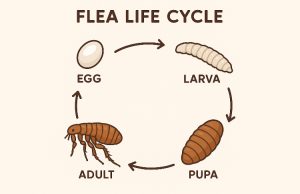
flea life cycle diagram

Some dogs develop flea allergy dermatitis—an allergic reaction to flea saliva—which can lead to hair loss and skin sores requiring veterinary treatment. Regular monthly flea prevention is the best way to avoid recurrence. Fleas can infest both pets and the environment. An adult female can lay up to 50 eggs a day, which fall into carpets, bedding, and floorboard cracks. Eggs hatch into larvae, develop into pupae, and eventually emerge as adults—sometimes remaining dormant for up to six months. Treating both the dog and the home with a suitable flea spray or bomb is essential for eradication.

Ticks

Ticks are spider-like parasites that attach to the skin and feed on blood. As they feed, their bodies swell and become more visible, usually turning greyish in colour. Always use a tick remover to avoid leaving the head embedded, which can cause infection.

Ticks are most active in warmer months and are often picked up in long grass (sheep ticks) or gardens (hedgehog ticks). They can transmit diseases such as Lyme disease and, rarely in the UK, babesiosis.

Mites

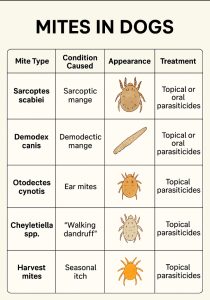
Mites are microscopic parasites that may live on the skin or in the ear canals. Diagnosis often requires skin scrapes or tape strip tests examined under a microscope. Common types include:

  • Sarcoptes scabiei (sarcoptic mange) – Extremely itchy and highly contagious to other dogs and humans. Requires prompt veterinary treatment and household-wide management.different types of mites in dogs
  • Demodex canis (demodectic mange) – Lives in hair follicles. Not contagious, but can cause skin issues in dogs with weakened immune systems.
  • Otodectes cynotis (ear mites) – Causes head shaking, black wax build-up, and ear odour. Easily spread to other pets.
  • Cheyletiella (“walking dandruff”) – Visible moving mites causing dandruff-like debris. Contagious to pets and humans.
  • Trombicula autumnalis (harvest mites) – Bright orange mites found on paws, belly, and ears in late summer/autumn, causing intense itching.

Lice

Lice are wingless insects that live in the coat and feed on skin debris or blood. They are species-specific and will not infest humans or cats. Infestation signs include scratching, hair loss, and—in severe cases of sucking lice—anaemia.

Endoparasites (Internal Parasites)

Endoparasites live inside a dog’s body and can affect the digestive system, lungs, and heart. Worm infestations may cause symptoms or go unnoticed, but they can still spread to other animals and sometimes humans.

Toxocara canis (Roundworm)

The most common worm in dogs, transmitted via the placenta, mother’s milk, ingestion of infected faeces, or hunting rodents/birds. In puppies, signs include a pot-bellied appearance, poor growth, vomiting, and diarrhoea. Roundworms are zoonotic and can cause serious illness in humans, including blindness.

Tapeworms (Dipylidium caninum, Taenia spp.)

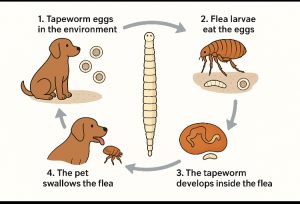
tapeworm in dogs

Often transmitted when dogs swallow fleas while grooming. Tapeworm segments resemble grains of rice and may be seen around the anus or in faeces. Prevention requires regular flea and worm treatments.

Angiostrongylus vasorum (Lungworm)

Spread through ingestion of infected slugs/snails or their slime trails. Worms live in the heart and lungs, causing coughing, breathing difficulty, lethargy, and bleeding disorders. Lungworm can be fatal if untreated.

Prevention

All of these parasites are preventable with monthly veterinary-recommended treatments. Prevention is far easier, safer, and less costly than treatment after infestation or infection occurs.


Former NFL Player LeShon Johnson Convicted for Dog Fighting

08 Aug 2025

Ex-NFL Star LeShon Johnson Convicted in Largest Federal Dog Fighting Case to Date

Date Published: 7 August 2025

LeShon Eugene Johnson, once a rising star in American football, has now been convicted in one of the most disturbing animal cruelty cases ever brought forward under federal law. The former NFL running back, aged 54, has been found guilty on six felony counts tied to a large-scale dog fighting and trafficking operation spanning multiple sites in Oklahoma.

LeShon Johnson playing for nfl

The charges stem from his involvement in the breeding, sale, and exploitation of pit bull-type dogs through a clandestine operation he called Mal Kant Kennels. Operating out of Broken Arrow and Haskell, Oklahoma, Johnson’s ring was allegedly responsible for producing and distributing dogs specifically bred for fighting — with lineages that boasted multiple confirmed kills in organised bouts.

Dogs Bred for Violence, Not Companionship

According to the U.S. Department of Justice, Johnson selectively bred dogs that had won three to five fights — often referred to in the dog fighting world as “champions” or “grand champions.” These dogs were not simply pets; they were merchandise in a cruel underground economy built on blood, pain, and exploitation.

Stud rights and offspring from Johnson’s bloodline were marketed and sold across the United States to other individuals involved in dog fighting. The DOJ stated that the operation was sophisticated and profitable, designed to perpetuate a legacy of aggression and suffering among vulnerable animals.

In early 2025, law enforcement agencies executed coordinated raids on Johnson’s properties, resulting in the seizure of 190 pit bull-type dogs. The dogs — many bearing scars and signs of previous fights — were taken into the care of the U.S. Marshals Service. Federal prosecutors confirmed this to be the largest number of dogs ever seized from a single individual in a federal animal fighting case.

A Shocking Fall from Grace

LeShon Johnson rose to national attention in the early 1990s as a star running back at Northern Illinois University, even becoming a Heisman Trophy contender in 1993. He went on to play in the NFL for six seasons, joining teams such as the Green Bay Packers, Arizona Cardinals, and New York Giants.

LeShon Johnson

In 1999, Johnson’s career took another turn when he was diagnosed with non-Hodgkin lymphoma. After undergoing treatment, he briefly returned to the field — a comeback many once saw as inspirational. However, today that legacy has been eclipsed by criminality and cruelty.

Not His First Offence

This is not the first time Johnson has faced charges related to animal cruelty. In 2004, he pleaded guilty to state-level offences involving a separate operation, Krazyside Kennels, which also functioned as a dog fighting enterprise. That conviction resulted in a five-year deferred sentence.

Despite that legal history, Johnson allegedly resumed and expanded his activities — this time more covertly, but with even greater reach. His 2025 indictment and conviction now stand as a landmark moment in U.S. legal history on organised animal fighting.

Defense Arguments Fall Flat

Johnson’s attorney, Billy Coyle, attempted to frame his client as a “legitimate breeder” of American Pit Bull Terriers. He criticised the FBI for what he called excessive use of force — including a late-night raid involving over 40 armed officers. Nonetheless, the jury delivered a guilty verdict on six counts and recommended the forfeiture of all animals involved.

The federal government continues to pursue permanent custody of the dogs through a forfeiture process. Their long-term welfare will likely be decided in partnership with rescue organisations and veterinary behaviourists capable of rehabilitating traumatised animals.

Final Thoughts

This case sends a powerful message: organised dog fighting is not a backroom sport — it is a calculated, violent crime. The conviction of LeShon Johnson, once a household name in professional sport, is a sobering reminder that status and fame offer no shield against accountability for cruelty.

As dog lovers, we must continue to speak out against all forms of exploitation and champion better laws, stronger enforcement, and community education. Because dogs are not disposable tools of entertainment. They are living beings who feel fear, pain, joy, and love — and they deserve nothing less than our protection.


Margo the whippet has become the UK’s dog surfing champion

03 Aug 2025

Whippet Crowned UK Dog Surfing Champion at Paddleboard Festival

Date Published: 3 August 2025

A brindle-coated whippet named Margo has made waves in the canine sports world, claiming the title of UK Dog Surfing Champion of the Year at this year’s paddleboard competition in Dorset.

The annual event, hosted by Shaka Surf, took place at Branksome Dene Chine Beach in Poole and attracted more than 30 dogs and their human companions. What started as a fun seaside get-together has grown into a full-scale surf spectacle dubbed the “Boardmasters for dogs.”

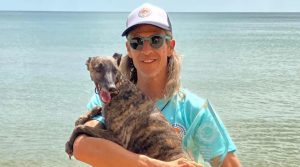
Margo the whippet was named UK Dog Surfing Champion of the Year after competing with her owner, Carl Barnes

Making a Splash

Margo and her owner, Carl Barnes, competed in the highlight race of the event — the “Dog Masters” — where they soared through to the finals and clinched first place with a strong lead during the 50m sprint on their paddleboard.

Barnes, who has shoulder-length blonde hair and wore Shaka Surf gear during the event, described the win as “surreal.” The duo have since become local celebrities on social media.

“I entered for fun, but there’s a little bit of competitiveness in me,” Carl admitted. “When I realised we had a real shot at it, I dug deep and brought the win home. Loved it — and next year we’ll be training even harder to defend our title.”

More Than Just a Race

The event wasn’t just about surfing glory. Organisers from Shaka Surf also hosted multiple Guinness World Record attempts. Among the achievements:

  • Most dogs surfing a single wave on one board
  • Fastest dog and human paddleboard 50m sprint – 32 seconds
  • Fastest solo 50m paddleboard sprint

For Carl and Margo, it was more than a contest — it was a moment to celebrate their unique bond.

“I’ve developed a relationship with Margo where trust and love are everything,” Carl said. “If I ever paddle out without her, she cries at the gate until I come back and let her join me. We head off in peace together.”

Final Thoughts

Dog sports are fast becoming more than novelty — they’re showcases of companionship, athleticism, and community spirit. Events like these highlight the joy and connection between dogs and their humans, reminding us that adventure is best shared on four legs and a board.


Imported Dogs Posing Risk to UK

28 Jul 2025

Imported Dogs Posing Risk to UK, RSPCA Warns

Date Published: 28 July 2025

The RSPCA has raised alarm over the growing number of dogs imported into the UK without proper health checks or behavioural assessments, warning they may pose risks to public health and safety.

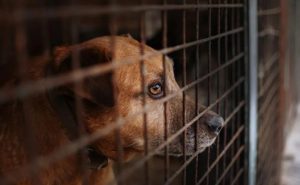
Many of these animals are brought in from countries such as Romania, Ukraine, and North Macedonia, and are sold via online marketplaces or social media with little more than a video and short form. David Bowles of the RSPCA called it a “Deliveroo for dogs”.imported rescue dog looking out of rusty cage

Growing Cases of Brucella Canis

Of particular concern is Brucella Canis, a contagious bacterial disease that can affect both dogs and humans. In 2024, over 330 canine cases were investigated — up from just three in 2020. One confirmed case of human transmission has been recorded in the UK.

Derbyshire dog owner Trudy Cain discovered her Romanian rescue dog, Nola, was Brucella-positive four months after adoption. Despite the risks, she refused a vet’s advice to put the dog to sleep. “It just breaks my heart,” she said. “I wanted to do a good thing and now I feel like I’ve done a bad thing.”

Behavioural Red Flags

Other adopters have faced unexpected aggression and trauma in dogs placed without proper matching. Sian Keen in Somerset adopted a pregnant rescue from Ukraine. But following a quarantine ordered by Trading Standards, her dog Narla returned fearful and ultimately bit both Sian and her son. Narla was later put to sleep.

The rescue charity involved, Paw Help UK, stated that only one batch of documents was forged and blamed the situation on the war in Ukraine disrupting lab testing options.

Industry Under Pressure

UK-based shelters say they’re dealing with the fallout. Emma Shaffery from Forest Dog Rescue in Worcestershire explained, “We’re basically mopping up after rescues that aren’t taking responsibility for their dogs.”

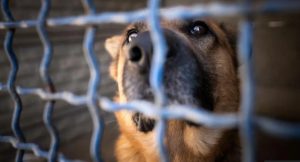
Some dogs are arriving at 3am to homes they’ve never seen, with adopters relying only on a few photos. “It blows my mind,” she added.imported rescue dog in a cage

Calls for Licensing

Unlike Scotland, which requires dog rescues to be licensed, England, Wales and Northern Ireland have no such legal requirement. The Department for Environment, Food and Rural Affairs (Defra) said all organisations must meet basic welfare standards, and advised the public to choose rescues who are members of the Association of Dogs and Cats Homes.

This isn’t the first time animal welfare procedures have come under scrutiny. A dog petting experience was shut down earlier this year after a court case exposed severe welfare issues.

Final Thoughts

While many overseas rescue organisations act with good intentions, the current lack of regulation risks public health, pet welfare, and owner safety. Licensing and proper behavioural vetting aren’t luxuries — they’re essentials. If the UK wants to remain a nation of animal lovers, it must also become a nation of responsible adopters.


Oak Tree Animals’ Charity Suffers Devastating Flood

27 Jul 2025

Animal Charity Faces Months of Repairs After Devastating Flood

Date Published: 27 July 2025

An animal rescue centre in Cumbria is facing months of disruption after flash flooding severely damaged its facilities. Oak Tree Animals’ Charity, based in Wetheral near Carlisle, was forced to evacuate around 20 dogs and cats following torrential rain last weekend that overwhelmed the shelter’s drainage system.

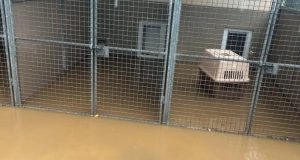
Floodwaters Hit Kennels and Cat Rooms

“Our drainage system has taken a real hit,” said CEO Matt Notter. “It’s full of sediment and debris, and repairing that is now our biggest challenge.”

Flooded kennel floor at Oak Tree Animals' Charity after flash flooding hit Cumbria

One kennel block has been shut indefinitely as staff assess the damage and begin the long process of repairs. Fortunately, all animals were safely relocated—either to drier areas within the centre, placed with foster carers, or even taken home temporarily by staff.

“We’re surviving, we’re managing,” Mr Notter explained, “but the major impact is that we’ve had to delay new intakes. That’s heartbreaking—for us, and for the people waiting to surrender animals who desperately need our help.”

Community Steps Up—But More Help Needed

Despite the damage, the charity has been lifted by a wave of local support. An online fundraising appeal brought in over £24,000 in just three days, alongside generous in-kind donations from the community.

“It won’t cover all of the damage,” Mr Notter said. “Once you start digging up drains and needing heavy machinery, the costs add up quickly. But we’re incredibly grateful.”

Oak Tree is appealing for further help from individuals and local businesses, especially those in drainage, construction, or landscaping. Offers of temporary foster homes are also welcomed to ease pressure while parts of the shelter remain closed. If you’re in the area and can help, visit their official site at oaktreeanimals.org.uk.


Preparing for the Next Storm

Three rescued kittens cuddled together on a grey cushion at Oak Tree Animals' Charity

“Right now, our biggest worry is it happening again,” Mr Notter added. “All the animals are currently in areas that didn’t flood—but every time it rains, we’re nervous.”

Founded to help rehome vulnerable cats, dogs, and small animals, Oak Tree Animals’ Charity is one of several UK shelters dealing with extreme weather events—an issue likely to increase as climate patterns shift. For those able to support rehoming organisations through donations, fostering, or equipment loans, the need has never been more urgent.

Final Thoughts

At Halo Dogs Rescue & Rehabilitation Charity, we know how much love, labour, and logistics go into caring for vulnerable animals. Flood damage is devastating—but so is the delay in rehoming pets in need. We stand with Oak Tree Animals’ Charity and others across the UK who work every day to give dogs and cats a second chance, come rain or shine. 


Geophagia in Dogs | Why Do Dogs Eat Dirt?

27 Jul 2025

Why Do Dogs Eat Dirt? Understanding Geophagia in Dogs

Date Published: 26 July 2025

If you’ve ever caught your dog eating dirt, you’re not alone. While a little soil nibbling may seem harmless, it can indicate an underlying behavioural, nutritional, or medical issue. The act of eating non-food items, including soil, is a type of pica. Specifically, when dogs consume dirt, it’s referred to as geophagia.

Why Is My Dog Eating Dirt?

Dogs may eat dirt for a variety of reasons, and it’s important to understand what could be triggering this behaviour. Below are the three main categories:

Nutritional Deficiencies

Some dogs instinctively seek out soil when their diet lacks essential minerals such as iron, calcium, or magnesium. If your dog’s food is poorly balanced or of low quality, they may attempt to compensate by consuming dirt. Puppies are especially vulnerable, as they need higher levels of nutrients during growth stages.

Additionally, if a dog isn’t being fed enough overall, dirt might act as a temporary filler in their stomach. This is particularly concerning in underweight dogs or those on calorie-restricted diets. Learn about feeding advice and routine training to support overall wellbeing.

Behavioural Causes

Stress, anxiety, boredom, and under-stimulation can all lead to geophagia. Dogs left alone for long periods or not mentally enriched through play and exercise may engage in dirt-eating as a coping mechanism. Structured dog day care can help redirect this behaviour by providing safe, enriching environments.

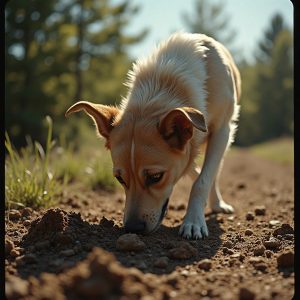
geophagia dog eating dirt

In other cases, a dog might simply find the scent of food or decaying matter in the soil irresistible. In such cases, the behaviour may be less about the dirt and more about what’s in it.

Medical Conditions

Some medical conditions that can cause dogs to eat dirt include:

  • Gastrointestinal upset (e.g., gastritis, nausea, or acid reflux)
  • Anemia (low red blood cell count)
  • Liver or kidney disease
  • Internal parasites
  • Hormonal imbalances

Importantly, these conditions might not always show obvious symptoms initially. That’s why veterinary consultation is crucial if the behaviour is persistent. 

What Is a Dog Lacking When It Eats Dirt?

In many cases, dirt-eating is linked to a deficiency in key minerals. Dogs lacking iron or zinc, for instance, may instinctively seek them from soil. Feeding a complete and balanced diet is essential. Ask your vet for guidance on food selection, feeding frequency, and appropriate portion sizes based on your dog’s age, breed, and weight.

Most adult dogs should be fed once or twice daily, while puppies benefit from 3–4 small meals a day. Senior dogs often have special dietary requirements as well.

The Dangers of Eating Dirt

While an occasional nibble may not be harmful, repeated or compulsive geophagia can lead to serious health risks:

  • Intestinal blockages or impaction (may require surgery)
  • Ingestion of toxins, including pesticides or chemical fertilisers
  • Exposure to parasites like roundworms, hookworms, or whipworms
  • Tooth fractures or damage to the digestive tract from rocks or sharp objects
  • Mineral overdose (e.g., iron toxicity)

If your dog eats dirt and shows any signs of distress, such as vomiting, lethargy, or bloating, seek veterinary attention immediately. 

How to Stop a Dog from Eating Dirt

Managing geophagia requires a combination of environmental, dietary, and behavioural interventions:

  • Feed a high-quality, balanced diet and consult your vet about any dietary gaps.
  • Supervise your dog when outdoors and leash-walk them in dirt-prone areas.
  • Interrupt the behaviour with verbal cues or redirection (e.g., toy or treat).
  • Block access to favourite dirt patches and remove any indoor plants with exposed soil.
  • Increase mental and physical stimulation through puzzle toys, agility, and structured play.
  • Address stress and anxiety, especially after major life changes or if separation anxiety is present.
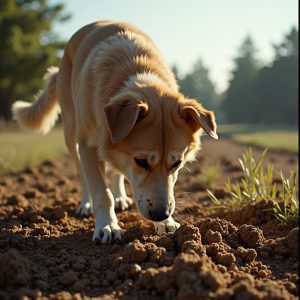
  • Consider 1-2-1 behaviour support or professional training for persistent cases.dog eating dirt geophagia

When to See the Vet

Occasional licking of soil is usually not dangerous. But if your dog begins to eat large amounts of dirt or exhibits other signs of illness, contact your vet promptly. Warning signs to watch for include:

  • Sudden or compulsive dirt-eating
  • Constipation or changes in bowel movements
  • Loss of appetite
  • Lethargy or weakness
  • Pale gums (a possible sign of anemia)
  • Vomiting or diarrhoea

Your vet may ask questions like:

  • When did the dirt-eating begin?
  • What is your dog currently eating, and have there been any recent changes?
  • Has your dog ingested other non-food items?
  • Is your dog currently on parasite prevention?
  • Have there been any other symptoms such as vomiting, bloating, or behaviour changes?

Depending on your dog’s history, your vet may recommend blood tests, faecal analysis, x-rays, or even ultrasound imaging to identify the root cause. In some cases, a food trial or gastrointestinal biopsy may be required.

Clinical Guidance

Geophagia should never be ignored. While not always dangerous, it can point to deeper health or wellbeing issues that deserve your attention. If your dog shows signs of persistent dirt-eating, speak to your vet promptly. A thorough examination can help uncover nutritional gaps, hidden illnesses, or anxiety-related triggers—and lead you toward a practical treatment plan that supports both physical and emotional wellbeing.

For more detailed clinical guidance, consult our Vet Nurse.


Sirius, the Next‑Gen Companion Robot Dog

26 Jul 2025

Robot Dog Poised to Replace Your Pet: Meet Sirius

Date Published: 26 July 2025

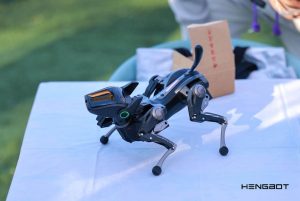
Hengbot Sirius: The World's First Trainable AI Robotic Dog

A new robotic canine called Sirius, billed as the world’s first trainable AI dog, is making waves among pet lovers, tech enthusiasts and futurists. Profiled in The Telegraph and launched via Kickstarter, Sirius offers agility, intelligence, and near-realistic behaviour—raising questions about whether robotic pets could soon replace real dogs in some homes.

Smart, Agile, and Surprisingly Lifelike

Developed by Hengbot, Sirius weighs just 1kg and is equipped with 14 degrees of motion freedom thanks to its proprietary Neurocore actuator system. It can trot, sit, spin, and even perform head-tilt gestures in response to voices and facial cues. Its brain? A large language model-based AI engine that allows users to interact with the robot conversationally, train it to perform new tricks, and even teach it custom responses.

It comes with onboard cameras for visual tracking, a speaker and microphone for real-time interaction, and support for open-source coding via Python, C++, or ROS2 for the developer-friendly EDU version.

Kickstarter Campaign Surpasses Expectations

 Sirius, completely untethered. A unique fusion of machine and mind, offering not just our most advanced robotics, but the protected, collaborative space needed to explore the very definition of artificial life.

The Kickstarter campaign for Sirius launched in mid-July 2025 and quickly surpassed its funding target, raising over £250,000 within the first 48 hours. Entry-level backers can get the Sirius ONE model from around £499, while the top-tier Sirius EDU comes in at £799 and includes extra sensors and developer tools.

Not Just a Toy

Hengbot’s team insists Sirius isn’t just a novelty. With the ability to learn and adapt, the robot dog is being marketed for education, elder care, therapy, and as an alternative companion for people who may be unable to care for a live animal.

According to The Telegraph, some early testers have reported genuine emotional connection with the robot, especially given its ability to remember faces, respond to petting, and mimic personality quirks.

Can It Really Replace a Dog?

Super Agile Robot in 1KG | 1000+ Motion Library | AI Multimodal Interaction | 5 TOPS AI Processor | Bionic Design | Creator-Friendly

While Sirius represents a leap forward in robotic pet design, experts remain divided on whether machines can truly fill the emotional role of a real dog. Critics point out the lack of warmth, unpredictability, and living connection that makes canine companionship so powerful. However, others argue that for certain people and situations—such as assisted living homes or allergy-prone households—a robotic pet may be a meaningful solution.

Final Thoughts

At Halo Dogs, we believe nothing compares to the loyalty, unpredictability, and deep bond shared with a living dog. But as AI pets like Sirius evolve, we remain curious—and cautious—about the future they represent. Whether you’re team robot or team real, one thing is clear: the future of companionship is changing.


Canine Arthritis Management

26 Jul 2025


Managing Arthritis in Dogs: Practical Advice for Animal Carers

By RVN Ros Sherlock |26 July 2025

Having worked in veterinary practice for many years, I have spoken with many owners regarding their dogs slowing down, not wanting to walk very far, and showing stiffness when trying to get up after resting. Reduced mobility is often considered just a natural part of ageing—but it’s frequently due to significant pain caused by conditions such as arthritis.

What Is Arthritis?

Canine arthritis, or osteoarthritis (OA), is a progressive, degenerative joint disease that causes pain, stiffness, and reduced mobility. It’s most common in older dogs due to wear and tear, old injuries, and obesity (which puts extra stress on the joints), but it can also affect dogs of any age—particularly those with joint injuries or developmental disorders such as hip and elbow dysplasia.

arthritis in elderly dog


What Happens to the Joint?

The cartilage—the smooth, protective covering on the ends of the bones—begins to break down, allowing the bones to rub together. This causes pain and inflammation. Over time, the bones harden and become more brittle. The body tries to help by producing osteophytes (bone spurs), but these actually restrict movement and add to the pain. As the joint space narrows, friction increases and synovial (joint) fluid becomes restricted, making the condition worse and more painful. Ouch!

Common Signs of Arthritis

  • Stiffness, especially after rest
  • Reluctance to jump, run, or climb stairs
  • Lameness or limping
  • Slower or altered gait
  • Swelling around joints

Arthritis is a lifelong condition, but symptoms can be managed to reduce pain and discomfort—allowing dogs to continue enjoying a happy, active quality of life.

Diagnosis and Veterinary Support

A vet will need to perform a full clinical examination, often followed by x-rays to confirm the diagnosis and rule out other conditions such as soft tissue injury, bone tumours, or dysplasia. Once confirmed, treatment usually involves anti-inflammatory medication in tablet, liquid, or injectable forms.

Never give human painkillers—some are toxic to dogs.

Supplements and Support Therapies

Several joint supplements and complementary therapies can make a significant difference. These may take 4–6 weeks to show effects:old dog with arthritis

  • Glucosamine and Chondroitin – helps maintain and rebuild cartilage, reduce inflammation, and improve joint lubrication
  • Green-Lipped Mussel – natural source of Omega-3s that may improve joint pain and mobility
  • Omega-3 Fatty Acids (EPA/DHA) – has anti-inflammatory properties and can reduce joint stiffness
  • Hydrotherapy – water-based exercise helps strengthen muscles without putting strain on the joints; also useful for weight management

Always check with your vet before starting any supplements, especially if the dog is on other medication or has other health issues. Hydrotherapy should also be discussed with your vet first.

Helping a Dog Live Well With Arthritis

There are many things we can do to help dogs with arthritis live more comfortably:

  • Encourage gentle, consistent exercise like short, frequent walks to reduce stiffness and maintain muscle mass
  • Avoid high-impact activities such as ball chasing or rough play
  • Allow extra time for movement and rest periods during walks or activity
  • Provide soft, non-slip bedding in a warm, draft-free area
  • Use ramps or pet steps to help dogs access cars or furniture
  • Use rugs or mats on slippery floors
  • Maintain a healthy weight—obesity can dramatically worsen joint pain

Managing arthritis takes a proactive, team-based approach—but with the right care, dogs can remain mobile and happy well into their senior years.

For further support, visit our Vet Nurse Consultation page.