
Why Do Dogs Eat Dirt? Understanding Geophagia in Dogs
Date Published: 26 July 2025
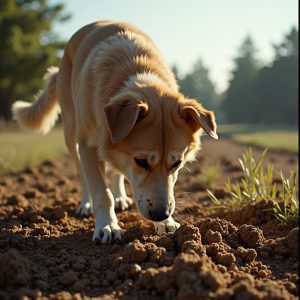
If you’ve ever caught your dog eating dirt, you’re not alone. While a little soil nibbling may seem harmless, it can indicate an underlying behavioural, nutritional, or medical issue. The act of eating non-food items, including soil, is a type of pica. Specifically, when dogs consume dirt, it’s referred to as geophagia.
Why Is My Dog Eating Dirt?
Dogs may eat dirt for a variety of reasons, and it’s important to understand what could be triggering this behaviour. Below are the three main categories:
Nutritional Deficiencies
Some dogs instinctively seek out soil when their diet lacks essential minerals such as iron, calcium, or magnesium. If your dog’s food is poorly balanced or of low quality, they may attempt to compensate by consuming dirt. Puppies are especially vulnerable, as they need higher levels of nutrients during growth stages.
Additionally, if a dog isn’t being fed enough overall, dirt might act as a temporary filler in their stomach. This is particularly concerning in underweight dogs or those on calorie-restricted diets. Learn about feeding advice and routine training to support overall wellbeing.
Behavioural Causes
Stress, anxiety, boredom, and under-stimulation can all lead to geophagia. Dogs left alone for long periods or not mentally enriched through play and exercise may engage in dirt-eating as a coping mechanism. Structured dog day care can help redirect this behaviour by providing safe, enriching environments.
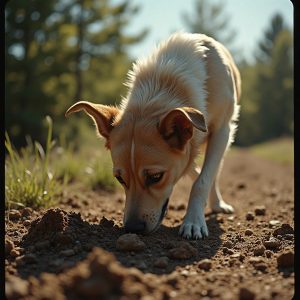
In other cases, a dog might simply find the scent of food or decaying matter in the soil irresistible. In such cases, the behaviour may be less about the dirt and more about what’s in it.
Medical Conditions
Some medical conditions that can cause dogs to eat dirt include:
- Gastrointestinal upset (e.g., gastritis, nausea, or acid reflux)
- Anemia (low red blood cell count)
- Liver or kidney disease
- Internal parasites
- Hormonal imbalances
Importantly, these conditions might not always show obvious symptoms initially. That’s why veterinary consultation is crucial if the behaviour is persistent.
What Is a Dog Lacking When It Eats Dirt?
In many cases, dirt-eating is linked to a deficiency in key minerals. Dogs lacking iron or zinc, for instance, may instinctively seek them from soil. Feeding a complete and balanced diet is essential. Ask your vet for guidance on food selection, feeding frequency, and appropriate portion sizes based on your dog’s age, breed, and weight.
Most adult dogs should be fed once or twice daily, while puppies benefit from 3–4 small meals a day. Senior dogs often have special dietary requirements as well.
The Dangers of Eating Dirt
While an occasional nibble may not be harmful, repeated or compulsive geophagia can lead to serious health risks:
- Intestinal blockages or impaction (may require surgery)
- Ingestion of toxins, including pesticides or chemical fertilisers
- Exposure to parasites like roundworms, hookworms, or whipworms
- Tooth fractures or damage to the digestive tract from rocks or sharp objects
- Mineral overdose (e.g., iron toxicity)
If your dog eats dirt and shows any signs of distress, such as vomiting, lethargy, or bloating, seek veterinary attention immediately.
How to Stop a Dog from Eating Dirt
Managing geophagia requires a combination of environmental, dietary, and behavioural interventions:
- Feed a high-quality, balanced diet and consult your vet about any dietary gaps.
- Supervise your dog when outdoors and leash-walk them in dirt-prone areas.
- Interrupt the behaviour with verbal cues or redirection (e.g., toy or treat).
- Block access to favourite dirt patches and remove any indoor plants with exposed soil.
- Increase mental and physical stimulation through puzzle toys, agility, and structured play.
- Address stress and anxiety, especially after major life changes or if separation anxiety is present.
- Consider 1-2-1 behaviour support or professional training for persistent cases.
When to See the Vet
Occasional licking of soil is usually not dangerous. But if your dog begins to eat large amounts of dirt or exhibits other signs of illness, contact your vet promptly. Warning signs to watch for include:
- Sudden or compulsive dirt-eating
- Constipation or changes in bowel movements
- Loss of appetite
- Lethargy or weakness
- Pale gums (a possible sign of anemia)
- Vomiting or diarrhoea
Your vet may ask questions like:
- When did the dirt-eating begin?
- What is your dog currently eating, and have there been any recent changes?
- Has your dog ingested other non-food items?
- Is your dog currently on parasite prevention?
- Have there been any other symptoms such as vomiting, bloating, or behaviour changes?
Depending on your dog’s history, your vet may recommend blood tests, faecal analysis, x-rays, or even ultrasound imaging to identify the root cause. In some cases, a food trial or gastrointestinal biopsy may be required.
Clinical Guidance
Geophagia should never be ignored. While not always dangerous, it can point to deeper health or wellbeing issues that deserve your attention. If your dog shows signs of persistent dirt-eating, speak to your vet promptly. A thorough examination can help uncover nutritional gaps, hidden illnesses, or anxiety-related triggers—and lead you toward a practical treatment plan that supports both physical and emotional wellbeing.
For more detailed clinical guidance, consult our Vet Nurse.