Doggy Day Care London

Blogs

Covid Pandemic Dog Thefts

23 Jul 2025

Dog Thefts: What Really Happened During the COVID Pandemic

Published: July 23, 2025

Dog theft is a devastating crime, especially when pets are considered cherished family members. During the COVID-19 pandemic, media outlets painted a bleak picture of a dognapping epidemic across the UK. But did the numbers support the panic?

Reports of increased dog ownership during lockdown contributed to concerns. Battersea reported a 53% rise in adoptions, while Pets4Homes noted a 104% spike in puppy demand in May 2020. On the flip side, PDSA data suggested dog ownership had been gradually rising since 2011 rather than surging suddenly during the pandemic.

What’s indisputable is that dog prices soared. Popular breeds fetched as much as £9,000, making them tempting targets for criminals. Social distancing also changed crime patterns, reducing shoplifting and burglary but, reportedly, increasing dog theft by as much as 250% in some regions.

Understanding the Data

Dog theft isn’t a distinct offence under the Theft Act 1968. It’s logged under general theft or burglary, meaning it’s not always visible in national crime stats. The only way to assess dog theft accurately is through Freedom of Information (FOI) requests to police forces.

Earlier studies found dog thefts in England and Wales rose 20% from 2015 to 2018, and another 3.5% from 2019 to 2020. DogLost, a group that helps reunite pets with owners, saw a 170% jump in stolen dog registrations in 2020 compared to 2019. However, the infamous 250% increase figure came from just one police force over two seven-month periods, not a national trend.

Trends and Regional Differences

Data collection for the pandemic period is patchy. Only 32 of 45 police forces provided data in 2020, 27 in 2021, and 23 in 2022. Still, some trends emerged. Between 2020 and 2022, reported dog thefts rose 3.7% overall. When adjusting for non-reporting forces, the real national increase may have been up to 44.2%.

Some regions saw huge spikes: Cambridgeshire (36%), Gwent (49%), and Northumbria (80%) between 2020 and 2021. Interestingly, more thefts occurred outside lockdown periods than during them, suggesting criminals took advantage of post-lockdown complacency.

Data Discrepancies

DogLost data paints a slightly different picture. It shows a 65.2% drop in dog theft reports in 2022 compared to 2020. That could be due to decreased visibility of DogLost, competition from other reporting platforms, or reluctance to share personal info due to scams.

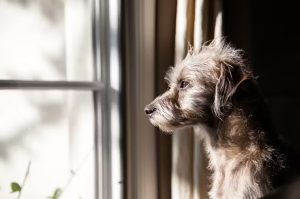
dog looking out of window symbolising the emotional toll of dog thefts

Overall, the evidence points to an increase in dog thefts during COVID-19, driven by a surge in dog values and increased opportunity. However, the narrative of a dramatic epidemic was likely inflated by media headlines and incomplete data.

The Human and Canine Toll

Dog theft is not just a property crime. It causes immense emotional trauma for owners and distress for the dogs themselves. Sadly, few cases are resolved: less than 25% of stolen dogs are returned, and only 1%-5% of reported thefts lead to a charge.

Signs of Hope

Newer research suggests dog thefts may be declining. Direct Line reported a 21% decrease from 2,290 cases in 2023 to 1,808 in 2024. With improved legislation and awareness, pet owners may finally see justice catching up with criminals.

Final Thoughts

The pandemic created a perfect storm for dog theft — high demand, soaring prices, and distracted households. But as the data shows, reality was more nuanced than the media hysteria. The fight against dog theft continues, but better awareness, legislation, and coordinated data collection can bring about lasting change.


Chug at Halo Dogs

22 Jul 2025

Chug – Dog Day Care & Luxury Dog Hotel in London

Chugs are full of character, charm, and cuddles—just the way we like them at Halo Dogs. Our countryside dog day care and luxury boarding is the perfect haven for this cheeky cross between a Pug and a Chihuahua. Set within 540 acres of secure London countryside, Chugs receive expert care, tailored enrichment, and all the pampering they deserve.

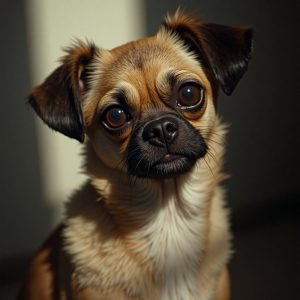
chug on holiday at luxury 5 star dog hotel

Introduction to the Chug

The Chug is a cross between the lovable Pug and the sassy Chihuahua. This delightful hybrid combines the affectionate nature of the Pug with the alertness and confidence of the Chihuahua. The result? A compact dog with a big heart and an even bigger personality.

Detailed Description of the Chug

Physical Characteristics

Chugs are small and stocky, usually weighing between 4–7kg. They often inherit the Pug’s round face and curled tail, while some display the Chihuahua’s prominent ears and leaner build. Their coats are typically short and smooth.

Personality and Temperament

Expect a loyal, spirited companion. Chugs are affectionate, people-loving, and protective of their owners. While playful and curious, they can also be sensitive and benefit from gentle, consistent handling—something we specialise in at Halo Dogs.

Coat, Colours and Grooming Needs

Coat

Chugs usually have short, easy-care coats, though some may inherit a slightly denser texture from their Pug parent.

Colours

Typical colours include black, fawn, tan, cream, chocolate, and sable. Many Chugs also feature a distinctive mask or contrasting markings.

Grooming Needs

These low-maintenance companions benefit from weekly brushing and regular facial fold cleaning. At Halo Dogs, we provide gentle grooming services tailored to sensitive areas like ears, eyes, and wrinkles.

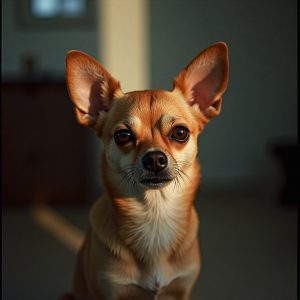
chug at halo dogs dog day care centre in london

Health and Longevity

Common Health Concerns

  • Brachycephalic Syndrome: Inherited from Pug lineage—our staff are trained to monitor and accommodate breathing needs.
  • Dental Issues: Like many small breeds, Chugs may require regular dental hygiene support.
  • Joint Sensitivities: Such as patellar luxation, which we manage with safe exercise environments.


Lifespan

Chugs typically live 12–15 years. Our wellness-focused care model supports every guest with routine checks, custom feeding, and enrichment designed for longevity and happiness.

History of the Chug

As designer crossbreeds gained popularity in the early 2000s, the Chug emerged as a sought-after companion dog. This hybrid blends the endearing quirks of the Pug with the bold, independent streak of the Chihuahua. Their compact size and loving nature have made them ideal for urban dwellers and family homes alike.

At Halo Dogs, we cater to their big-dog attitude in a small-dog body—ensuring they feel safe, stimulated, and adored.

Famous Chugs

  • Pickle: A social media sensation known for comedic Pug-Chihuahua expressions and costume parades.
  • Dotty: Therapy dog working in East London schools to support children with anxiety and emotional needs.

Why Chugs Love Halo Dogs

  • Tailored Play Groups: We organise playtime by size and temperament to suit small, playful pups like Chugs.
  • Climate-Controlled Indoor Lounges: Perfect for heat-sensitive or nap-loving breeds.
  • Positive Reinforcement Training: Boosts confidence and manners without pressure or stress.
  • chug at dog day care londonLow-Stress Grooming: With calm handling and techniques ideal for short-nosed dogs.
  • Expert Supervision: Round-the-clock care and staff trained in small breed sensitivities.

Specialised Services for Chugs

  • Luxury Dog Boarding: Peaceful countryside suites, 24/7 monitoring, and personalised routines.
  • Day Care: Supervised play, mental stimulation, and rest in small breed groups.
  • Grooming: Coat brushing, facial fold cleaning, nail trimming and gentle hygiene care.
  • Training: Confidence boosting, socialisation and recall games tailored to compact companions.
  • Daily Health Checks: Medications, feeding plans and observations managed by expert staff.

Our Trusted Vet Nurse, Creature Comforts Vets & 24hr On-Site Supervision

At Halo Dogs, your Chug’s wellbeing is our number one priority. That’s why we’re proud to have a qualified vet nurse on-site as part of our dedicated care team. From daily health checks to administering medication, our vet nurse ensures your Chug stays happy, healthy, and thriving during their stay.

We also work closely with Creature Comforts Vets, our trusted veterinary partners, to provide expert medical support when needed. Their highly experienced team is familiar with Chugs’ unique health considerations, offering complete peace of mind while you’re away.

Our countryside dog hotel and day care centre is supervised 24 hours a day, 7 days a week. Whether it’s daytime enrichment or overnight boarding, there is always an experienced member of staff on-site ensuring the safety and wellbeing of every dog in our care — including your beloved Chug.

Book Your Chug’s Stay

Contact us or book a visit and let your Chug enjoy London’s most luxurious and socially enriching dog day care and countryside holiday experience.

Dog day care, dog daycare, doggie daycare, doggy day care, puppy daycare, dog hotel, dog boarding, kennels, doggie holidays, 5 star luxury dog hotel — the words might vary. But only one place offers what your dog truly needs: empathy, exercise and education. This isn’t a convenience for you. It’s a gift to them—all set within our private 540-acre countryside estate, perfect for your Chug’s comfort, safety and happiness and your peace of mind.


Chorkie at Halo Dogs

22 Jul 2025

Chorkie – Dog Day Care & Luxury Dog Hotel in London

At Halo Dogs, we adore Chorkies—those feisty, fluffy bundles of joy with a heart full of love and a bark that means business. Set across 540 acres of secure countryside in London, our enrichment-based dog day care and five-star boarding provide the perfect escape for this cheeky little crossbreed.

Introduction to the Chorkie

The Chorkie is a charming hybrid of the Chihuahua and the Yorkshire Terrier. These compact canines combine the sass of the Chihuahua with the silky-coated elegance of the Yorkie, creating a dog that’s confident, cuddly and irresistibly cute.

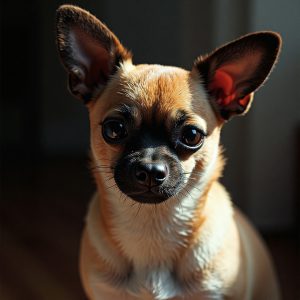
chorkie at halo dogs day care

Detailed Description of the Chorkie

Physical Characteristics

Chorkies typically weigh between 2–4kg and have a fine-boned but sturdy build. Their coat may be short like a Chihuahua’s or long and silky like a Yorkie’s, often with a slight wave or feathering. Expect big ears, bold eyes, and a strut that says, “Look at me!”

Personality and Temperament

Chorkies are lively, loyal, and bursting with character. They love attention and often form strong bonds with their humans. They can be vocal and protective—traits we gently balance through our socialisation programs and positive reinforcement training here at Halo Dogs.

Coat, Colours and Grooming Needs

Coat

Chorkies may inherit the fine, short coat of the Chihuahua or the long, silky hair of the Yorkie. Their grooming needs depend on coat length and texture.

Colours

Common Chorkie colours include tan, black, chocolate, gold, and silver. Many have Yorkie-style facial markings or a fluffy ruff around the neck.

Grooming Needs

Long-coated Chorkies require regular brushing and occasional trims to avoid tangles. At Halo Dogs, we offer stress-free grooming tailored for small, delicate dogs like the Chorkie—whether they need a quick tidy-up or a full spa treatment.

Health and Longevity

Common Health Concerns

  • Tracheal Collapse: A small breed risk that we manage with harnesses and gentle handling.
  • Dental Disease: Small mouths mean extra dental care—our team supports brushing and tartar checks.
  • Hypoglycaemia: Young Chorkies may need scheduled meals and monitored energy levels.

Lifespan

Chorkies often live 13–16 years. Our countryside estate offers plenty of fresh air, exercise, and loving care to keep your Chorkie thriving throughout their golden years.

History of the Chorkie

chorkie at halo dogs

The Chorkie is a modern hybrid gaining popularity since the early 2000s. Bred to blend the playfulness of the Yorkie with the compact size of the Chihuahua, they’ve become a staple in city apartments and countryside homes alike.

At Halo Dogs, we understand their big personalities and small-dog sensitivities. Our socialisation programs, enrichment activities, and expert staff ensure every Chorkie gets the royal treatment.

Famous Chorkies

  • Pixie: A Chorkie known for her viral TikTok dances and colourful outfits. She’s the face of multiple dog accessory brands.
  • Rascal: Local London icon featured in lifestyle magazines for his frequent appearances at charity dog events.

Why Chorkies Love Halo Dogs

  • Tailored Small-Breed Play Groups: Carefully matched companions and constant supervision.
  • Climate-Controlled Indoor Spaces: Warm and quiet for rest, especially for tiny dogs who love a nap.
  • Positive Reinforcement Training: From recall to calm greetings—gentle strategies that stick.
  • Specialised Grooming: Coat care, ear cleaning, and trimming tailored to Chorkie coat types.
  • Countryside Exploration: Safe, secure grounds where even small legs get a big adventure.

Specialised Services for Chorkies

  • Dog Day Care: Fun and enrichment in peaceful countryside groups tailored to toy breeds.
  • Luxury Boarding: Soft bedding, 24/7 supervision, and loving routines to mirror home life.
  • Grooming: From fluff to sleek, our team pampers every Chorkie to suit their coat type.
  • Training: Socialisation, leash work, and confidence boosting for this bright, bold breed.
  • Health Monitoring: Daily wellness checks, medication administration, and vet nurse support.
    cute chorkie

Our Trusted Vet Nurse, Creature Comforts Vets & 24hr On-Site Supervision

At Halo Dogs, your Chorkie’s wellbeing is our number one priority. That’s why we’re proud to have a qualified vet nurse on-site as part of our dedicated care team. From daily health checks to administering medication, our vet nurse ensures your Chorkie stays happy, healthy, and thriving during their stay.

We also work closely with Creature Comforts Vets, our trusted veterinary partners, to provide expert medical support when needed. Their highly experienced team is familiar with Chorkies’ unique health considerations, offering complete peace of mind while you’re away.

Our countryside dog hotel and day care centre is supervised 24 hours a day, 7 days a week. Whether it’s day time enrichment or overnight boarding, there is always an experienced member of staff on-site ensuring the safety and wellbeing of every dog in our care — including your beloved Chorkie.

Book Your Chorkie’s Stay

Contact us or book a visit and let your Chorkie enjoy London’s most luxurious, secure, and socially enriching dog day care and boarding experience at Halo Dogs.

Dog day care, dog daycare, doggie daycare, doggy day care, puppy daycare, dog hotel, dog boarding, kennels, doggie holidays, 5 star luxury dog hotel — the words might vary. But only one place offers what your dog truly needs: empathy, exercise and education. This isn’t a convenience for you. It’s a gift to them—all set within our private 540-acre countryside estate, perfect for your Chorkie’s comfort, safety and happiness and your peace of mind.


Chiweenie at Halo Dogs

22 Jul 2025

Chiweenie – Dog Day Care & Luxury Dog Hotel in London

Looking for the best care for your Chiweenie? At Halo Dogs, we specialise in nurturing this spunky, sausage-shaped companion. Our 540-acre countryside estate in London offers top-tier dog day care, five-star boarding, sensitive grooming, and breed-informed training—all with your Chiweenie’s safety, confidence, and tail-wagging joy at heart.

Introduction to the Chiweenie

The Chiweenie is a compact cross between the Chihuahua and the Dachshund. Known for their affectionate nature and comical personality, Chiweenies are a favourite among urban families and individuals seeking a loyal, pocket-sized companion.

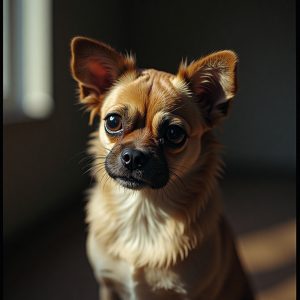
chiweeniw, cross between chihuahua and miniature dachshund

Detailed Description of the Chiweenie

Physical Characteristics

Chiweenies often inherit the long body and short legs of the Dachshund with the rounded face and bold eyes of the Chihuahua. Most weigh between 2.5–5.5kg, with either short or medium-length coats and alert, upright ears.

Personality and Temperament

Chiweenies are spirited, loving, and fiercely loyal. While they thrive on human attention, they may be wary of strangers and bold with bigger dogs, so early socialisation is key. At Halo Dogs, our experienced team gently integrates Chiweenies into small, supervised playgroups to help them blossom.

Coat, Colours and Grooming Needs

Coat

Chiweenies may have short, sleek coats or medium, wavy hair depending on their lineage. Some even inherit the wiry Dachshund coat type.

Colours

Common colours include tan, black, chocolate, cream, fawn, or piebald combinations. Their unique markings and expressive eyes give each Chiweenie a one-of-a-kind look.

Grooming Needs

Chiweenies are low-maintenance but benefit from weekly brushing, especially if their coat is longer. At Halo Dogs, we offer sensitive grooming tailored to their petite stature and delicate skin.

Health and Longevity

Common Health Concerns

  • Back Issues: Due to their Dachshund heritage, Chiweenies can be prone to intervertebral disc disease.
  • Dental Problems: Small mouths mean a higher risk of tartar buildup—our dental checks help prevent issues.
  • Allergies: Some Chiweenies may have food or environmental sensitivities that we can help manage.

Lifespan

Chiweenies generally live 12–16 years. At Halo Dogs, our holistic wellness plans, gentle enrichment, and personalised attention help ensure every Chiweenie thrives well into their senior years.

History of the Chiweenie

The Chiweenie emerged in the U.S. during the 1990s as a designer dog with the goal of blending the playful Dachshund with the loyal Chihuahua. Its growing popularity lies in its adaptable size, expressive personality, and relatively low grooming needs.

Though not officially recognised by major kennel clubs, Chiweenies are beloved in homes across the UK and beyond. At Halo Dogs, we celebrate their uniqueness and provide the kind of care only a countryside retreat can offer.

Famous Chiweenies

  • Tuna: Internet-famous Chiweenie with an overbite and 2M+ Instagram followers. Known for spreading smiles and appearing in rescue campaigns.
  • Peanut: Winner of the World’s Ugliest Dog contest in 2014—a Chiweenie with a huge heart and a powerful message about adopting rescue dogs.

Why Chiweenies Love Halo Dogs

  • Warm Indoor Spaces: Climate-controlled areas help keep sensitive Chiweenies warm and comfortable year-round.
  • Tailored Play Groups: Gentle, small-breed companions and attentive supervision help even the shyest Chiweenie shine.
  • Positive Training: Our reward-based approach helps Chiweenies overcome anxiety and build polite manners.
  • Gentle Grooming: Low-stress spa sessions are perfect for their small size and sensitive skin.
  • Luxury Dog Hotel: Soft bedding, peaceful suites, and full-day enrichment that rivals any human holiday.

Specialised Services for Chiweenies

  • Dog Day Care: Stimulating activities in safe, fenced areas perfect for Chiweenie-sized zoomies.
  • Boarding: Cosy, supervised overnight stays with personalised feeding and cuddle routines.
  • Training: Recall, confidence building, and small-dog socialisation strategies that work.
  • Grooming: Nail trims, coat conditioning, and tear stain management designed for Chiweenies.
  • Vet & Health Monitoring: Daily checks, medication support, and collaboration with Creature Comforts Vets.

Our Trusted Vet Nurse, Creature Comforts Vets & 24hr On-Site Supervision

At Halo Dogs, your Chiweenie’s wellbeing is our number one priority. That’s why we’re proud to have a qualified vet nurse on-site as part of our dedicated care team. From daily health checks to administering medication, our vet nurse ensures your Chiweenie stays happy, healthy, and thriving during their stay.

We also work closely with Creature Comforts Vets, our trusted veterinary partners, to provide expert medical support when needed. Their highly experienced team is familiar with Chiweenies’ unique health considerations, offering complete peace of mind while you’re away.

Our countryside dog hotel and day care centre is supervised 24 hours a day, 7 days a week. Whether it’s day time enrichment or overnight boarding, there is always an experienced member of staff on-site ensuring the safety and wellbeing of every dog in our care — including your beloved Chiweenie.

Book Your Chiweenie’s Stay

Contact us or book a visit today and treat your Chiweenie to the ultimate dog day care or boarding experience—right here in the heart of London’s greenest retreat.

Dog day care, dog daycare, doggie daycare, doggy day care, puppy daycare, dog hotel, dog boarding, kennels, doggie holidays, 5 star luxury dog hotel — the words might vary. But only one place offers what your dog truly needs: empathy, exercise and education. This isn’t a convenience for you. It’s a gift to them—all set within our private 540-acre countryside estate, perfect for your Chiweenie’s comfort, safety and happiness and your peace of mind.


German Shepherd Dog stolen

21 Jul 2025


German Shepherd Dog stolen in Surrey house break-in

By Halo Dogs | July 21, 2025

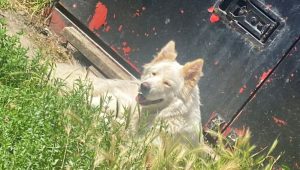
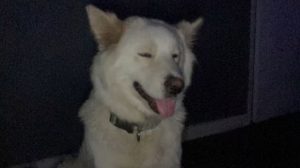
Surrey Police is appealing for the public’s help to locate a stolen white German Shepherd-Cross following a break-in at a home in Old Woking.

The four-year-old dog was taken at approximately 10:25pm on Wednesday, July 16, 2025, from an address on Gloster Road. Her sudden disappearance has left her owners devastated.

stolen german shepherd

Detectives have issued photos of the dog and are pleading for her safe return. Officers are particularly interested in speaking with three women seen near the property around the time of the theft. The women reportedly left the area in a white vehicle.

“Have you been offered a white German Shepherd-Cross for sale recently? Or do you have any knowledge of her whereabouts or who might have taken her?” asked a Surrey Police spokesperson.

Police are urging anyone who has CCTV, dashcam, or helmet cam footage from the area around that time to come forward, as it may hold crucial clues.

german shepherd stolen from house in surrey

Pet theft is a distressing crime that causes emotional trauma for families and raises serious animal welfare concerns. Authorities are treating the case with urgency.

Those with information are asked to contact Surrey Police via the non-emergency number 101 or report online at the official police website, quoting crime reference number 45250074289.

Final Thoughts

Theft of beloved pets like this white German Shepherd-Cross reminds us of the deep emotional bond between dogs and their humans. We urge our readers to stay alert in their communities and support efforts to reunite stolen pets with their rightful owners.


The 10 Most Popular Dog Breeds in the World in 2025

21 Jul 2025


10 Most Popular Dog Breeds Globally

Published: July 21, 2025

Global pet ownership is rising as more people discover the emotional benefits of canine companionship and savvy ways to make it work with their lifestyle. While regional differences exist, several breeds are distinguishing themselves as go-to options for new adopters.

Are you wondering which breeds are taking the globe by storm this year? If you’re looking for a tried-and-true breed, check out this breakdown of the top 10 choices for dog owners worldwide according to dogster.com.


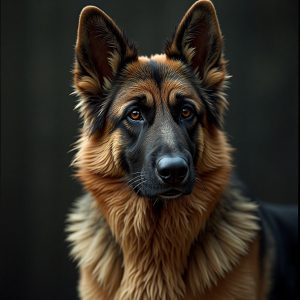
1. German Shepherd

  • german shepherd at halo dogs london
    Origin: 1800s, Germany
  • Lifespan: 12–14 years
  • Height: 22–26 inches

The German Shepherd is one of the most intelligent and versatile dog breeds worldwide, originally bred in the late 19th century in Germany as a herding dog for sheep and livestock. Its keen instincts and high trainability quickly led to its adoption in police, military, and search and rescue roles globally. The breed’s loyalty and courage have earned it an esteemed reputation among working dogs and family companions alike.

German Shepherds are highly energetic and require regular physical exercise and mental stimulation. Without proper activity and engagement, they can develop behavioural issues, making training and early socialisation crucial. They are protective of their family, often making excellent watchdogs and guardians.

The breed features a thick double coat that sheds year-round, with increased shedding during seasonal changes. Regular grooming helps maintain coat health and minimise shedding indoors. Common health concerns include hip and elbow dysplasia, degenerative myelopathy, and certain eye conditions, so responsible breeding and veterinary care are essential for a long, healthy life.

German Shepherds excel in obedience, agility, and working competitions, showcasing their intelligence and athleticism. Their strong bond with owners and their willingness to work make them ideal for active families and professionals seeking a loyal companion and capable protector. For comprehensive information, visit the German Shepherd Wikipedia page.


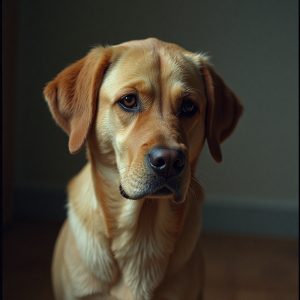
2. Labrador Retriever

  • golden retriever no.2 most popular dog in the world
    Origin: 1800s, England
  • Lifespan: 11–13 years
  • Height: 21.5–24.5 inches

The Labrador Retriever is one of the most popular and beloved breeds in the world, famed for its friendly temperament, intelligence, and versatility. Descended from the St. John’s Dog native to Newfoundland, Labradors were refined in England during the 19th century to become excellent retrievers and hunting companions.

Known for their sociability and eagerness to please, Labradors are exceptional family pets and are also commonly trained as therapy dogs, service dogs, and working dogs. They thrive on physical activity and require daily exercise to maintain physical and mental health. Their playful nature makes them excellent companions for children and adults alike.

The breed sports a dense, water-resistant double coat that requires regular grooming to remove loose hairs. Common health issues include hip and elbow dysplasia, obesity, and certain genetic eye conditions. Preventative care and a balanced diet are vital to keep Labs fit and healthy.

Labradors are highly trainable and excel in obedience, agility, and hunting tests, thanks to their intelligent and cooperative disposition. Their affectionate and loyal nature has earned them the place of the quintessential family dog. More details can be found on the Labrador Retriever Wikipedia page.


3. French Bulldog

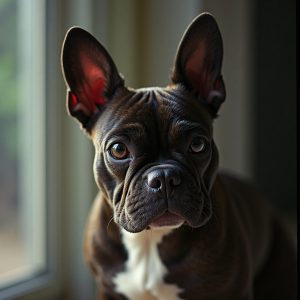
  • french bulldog on holiday at luxury dog hotel
    Origin: 1800s, France
  • Lifespan: 10–12 years
  • Height: 11–13 inches

The French Bulldog is a compact, muscular breed well known for its distinctive bat ears and affectionate personality. Originally developed as a companion dog for lace workers in 19th-century England, the breed quickly gained popularity in France, especially in Parisian society, where it became associated with fashion and culture.

Frenchies are adaptable to city living due to their moderate exercise requirements but are sensitive to heat and humidity due to their brachycephalic (short-nosed) anatomy. This makes it important to monitor their activity and environment to prevent overheating and respiratory distress.

The breed’s short coat requires minimal grooming, but regular cleaning of skin folds and ears is essential to prevent infections. Common health issues include brachycephalic airway syndrome, hip dysplasia, and skin allergies. Responsible breeding and veterinary care help mitigate these risks.

French Bulldogs are sociable, playful, and bond strongly with their owners, making them excellent pets for singles, couples, and families. Learn more about this charming breed at the French Bulldog Wikipedia page.


4. Pug

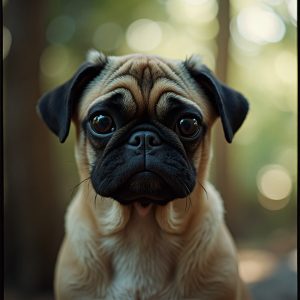
  • 4th most popular dog breed in the world, pug
    Origin: ~2,000–400 B.C., China
  • Lifespan: 13–15 years
  • Height: 10–13 inches

Pugs are small, affectionate dogs with a wrinkled face and charming personality that dates back over 2,000 years in ancient China, where they served as companions to royalty and nobility. Their distinctive appearance and playful temperament have captivated dog lovers worldwide.

Despite their compact size, Pugs are sturdy and adapt well to apartment living. They enjoy moderate exercise but are prone to obesity if not monitored. Due to their brachycephalic structure, they are susceptible to breathing difficulties, heat intolerance, and eye problems.

Their short coat requires minimal grooming, though regular care of skin folds and facial wrinkles is necessary to prevent infections. Common health issues include hip dysplasia, patellar luxation, and breathing disorders.

Known for their affectionate nature and love of human companionship, Pugs are ideal family pets who thrive on social interaction and attention. Find out more at the Pug Wikipedia page.


5. Poodle

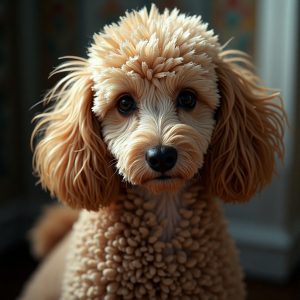
  • poodle, 5th most popular breed in the world right now
    Origin: ~1300–1500, Germany
  • Lifespan: 10–18 years
  • Height: 10–15+ inches (varies by size)

The Poodle is an elegant and intelligent breed with origins dating back to medieval Germany as a water retriever, skilled at fetching game from rivers and lakes. Available in standard, miniature, and toy sizes, the Poodle adapts well to a range of living environments.

Renowned for its hypoallergenic coat, the Poodle is a preferred choice for allergy sufferers. However, its curly coat demands regular grooming to prevent matting and maintain healthy skin.

The breed’s high intelligence makes it a star in obedience, agility, and performance competitions. Poodles are eager to learn and thrive on mental stimulation and social interaction. Health concerns include hip dysplasia, progressive retinal atrophy, and Addison’s disease, which responsible breeding can help minimise.

The Poodle’s versatility as a family pet, show dog, and working dog cements its popularity worldwide. For further details, visit the Poodle Wikipedia page.


6. Rottweiler

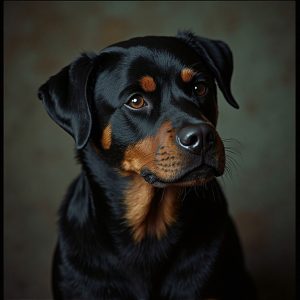
  • noble Rottweiler at london dog day care
    Origin: ~0–300 A.D., Germany
  • Lifespan: 9–10 years
  • Height: 22–27 inches

The Rottweiler is a powerful and confident breed that traces its roots back to Roman drover dogs used to herd livestock and guard camps as the legions expanded across Europe. In Germany, these dogs became known as the Rottweiler, named after the town of Rottweil.

Known for their impressive strength, intelligence, and calm temperament, Rottweilers excel as working dogs in roles such as police work, search and rescue, and personal protection. Despite their imposing appearance, many are affectionate and loyal family pets when given the proper training and socialisation.

This breed requires firm, consistent, and early training to ensure they develop into well-mannered adults. Rottweilers benefit from daily physical exercise and mental challenges such as obedience or agility training to channel their energy positively and prevent boredom.

Their short, dense coat is relatively low maintenance but regular brushing helps control shedding. Rottweilers can be prone to health issues such as hip and elbow dysplasia, heart problems, and certain cancers, so responsible breeding and regular veterinary checkups are vital for longevity and wellbeing.

Ideal owners are experienced dog handlers who understand the importance of socialisation and leadership. When properly cared for, Rottweilers are deeply loyal, courageous, and make excellent family companions and protectors.

For more comprehensive information about this remarkable breed, visit the Rottweiler Wikipedia page.


7. Chihuahua

  • Chihuahua at halo dogs
    Origin: 1300s, Mexico
  • Lifespan: 14–16 years
  • Height: 5–8 inches

The Chihuahua is one of the smallest dog breeds with a big personality. They have ancient roots in Mexico and are treasured for their portability, charm, and spirited nature.

Chihuahuas thrive in apartment environments but require careful socialization to manage their sometimes bold or territorial temperament. They form strong bonds with their owners and can be very protective despite their size.

The breed’s smooth or long coats need regular grooming depending on the type, and health concerns include dental issues, patellar luxation, and heart problems. Proper care, diet, and veterinary attention ensure a healthy and happy life.

The Chihuahua’s long history and spirited nature make it a unique and cherished breed. Learn more on the Chihuahua Wikipedia page.


8. Golden Retriever

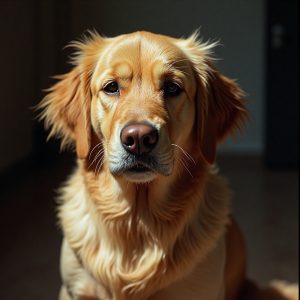
  • Golden Retrievers being trained at halo dogs
    Origin: 1800s, England
  • Lifespan: 10–12 years
  • Height: 21.5–24 inches

Golden Retrievers are beloved for their gentle disposition, intelligence, and loyalty. Originating in mid-19th-century Scotland as hunting retrievers, the breed quickly gained worldwide popularity as family pets and service dogs.

They require regular exercise to maintain physical and mental wellbeing. Their thick, water-resistant coat sheds year-round and needs regular grooming to prevent matting and maintain skin health.

Golden Retrievers are prone to genetic health issues like hip dysplasia, elbow dysplasia, and certain cancers, highlighting the need for responsible breeding and veterinary care.

Known for their friendly, trustworthy temperament and trainability, Goldens excel in therapy, assistance work, obedience, and agility competitions. Their love of people and playful nature make them perfect companions. Discover more at the Golden Retriever Wikipedia page.


9. Yorkshire Terrier

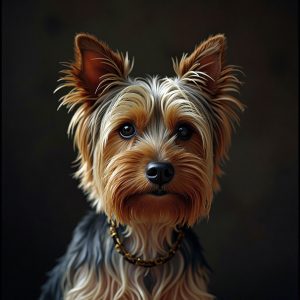
  • Yorkshire Terrier being groomed at halo dogs
    Origin: 1800s, England
  • Lifespan: 11–15 years
  • Height: 7–8 inches

The Yorkshire Terrier is a small but feisty breed with origins in the 19th century as a ratting dog in the mills and factories of Yorkshire, England. Despite its small size, the breed has a bold personality and a luxurious, silky coat that requires regular grooming.

Yorkies are affectionate and make excellent companions for urban living. Early socialization is important to manage their natural territorial instincts and occasional stubbornness.

Common health issues include dental problems, luxating patellas, and tracheal collapse, making routine veterinary care essential. Their intelligence and eagerness to please make them trainable, though consistent positive reinforcement is key.

For more details on this charming breed, visit the Yorkshire Terrier Wikipedia page.


10. Shih Tzu

  • Shih Tzu at halo dogs
    Origin: ~0–1,000 A.D., Tibet
  • Lifespan: 10–18 years
  • Height: 9–10.5 inches

The Shih Tzu is a regal, affectionate lap dog with centuries-old origins in Tibetan monasteries and Chinese imperial courts. Their distinctive long, flowing coat requires consistent grooming and care to keep it healthy and tangle-free.

Despite their small stature, Shih Tzus have a lively and friendly disposition. They adapt well to apartment living but benefit from moderate daily exercise and mental stimulation.

Health concerns include brachycephalic airway syndrome, hip dysplasia, and eye problems, so routine vet visits and responsible breeding are important for a healthy life.

The breed’s loyal and calm temperament makes them ideal companions for families and seniors alike. More information is available at the Shih Tzu Wikipedia page.

To explore more dog breeds and care tips, visit our breed directory or get in touch.


Dental Disease in Dogs

20 Jul 2025


Canine Dental Disease: A Practical Guide for Animal Carers

By RVN Ros Sherlock |20 July 2025

I worked in a vet practice for many years and was lucky enough to work with an amazing vet who had a keen interest in animal dentistry. I learned so much from her over the years, which I would like to share with other animal carers.

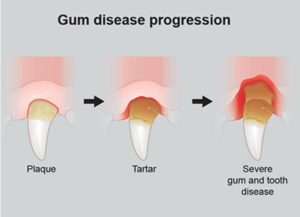
Dental disease is one of the most common problems we see in dogs, affecting over 70% by the age of three. It’s often overlooked by owners because the signs are subtle, and many dogs continue to eat and behave normally even when they’re in pain. As animal care professionals, we can make a difference by spotting early signs and educating owners—especially when they first get a new puppy.gum disease progression in dogs

What Is Canine Dental Disease?

Canine dental disease starts when plaque (a sticky layer of bacteria) builds up on the teeth. If not removed, it hardens into calculus (tartar) due to minerals in the saliva. This appears as yellowish-brown deposits, especially along the gum line. At this stage, brushing alone won’t remove it—it must be scaled with an ultrasonic dental scaler under general anaesthetic by a vet or veterinary nurse.

Once tartar forms, it often leads to gingivitis—gum inflammation that causes red, swollen gums, bad breath (halitosis), and bleeding during chewing. Dogs may also show changes in eating habits, preferring soft food or becoming reluctant to eat.

If untreated, the infection progresses to periodontitis, which damages the ligaments and bone holding the teeth in place. This stage is often irreversible without treatment.

What Is a COHAT?

COHAT stands for Comprehensive Oral Health Assessment and Treatment, and typically includes:

  • General anaesthetic – to allow a thorough oral exam that can’t be done while the dog is awake
  • Dental x-rays – since 60% of the tooth is below the gum line, x-rays help detect root issues, fractures, and infections
  • Scaling and polishing – performed after all other treatment (e.g., extractions) is completed

Why This Treatment Is So Important

  • Chronic pain—often hidden—can significantly reduce quality of life
  • Tooth loss, oral infections, and systemic spread of bacteria
  • Links to heart, kidney, and liver disease—oral bacteria in the bloodstream can cause endocarditis or strain the kidneys

High-Risk Dogs

  • Small breeds (e.g., Chihuahuas, Yorkies, Dachshunds) – harder to brush due to small mouths
  • Brachycephalic breeds (e.g., Pugs, Bulldogs, French Bulldogs) – overcrowded teeth increase risk
  • Dogs fed mainly soft or wet food
  • Senior dogs or those with underlying health issues such as diabetes

Preventing Dental Disease

The best dental care is preventative. Encourage owners to build good habits early:

  • Daily brushing with meat- or fish-flavoured dog toothpaste (never human toothpaste—fluoride and xylitol are toxic)
  • Dental chews and diets approved by the VOHC
  • Oral gels and water additives to support cleaning, especially when brushing isn’t tolerated
  • Annual vet dental checks at minimum

How to Train a Dog for Tooth Brushing

Step 1: Begin by touching around the dog’s mouth and gently lifting the lip. Let them lick dog toothpaste from your finger. Praise and offer treats. Gradually slide your finger along the gum line for just a few seconds, repeating daily.

Step 2: Once comfortable, introduce a finger brush or soft dog toothbrush. Let them sniff it and taste the toothpaste before brushing the front teeth. Slowly move to the sides and back. Never force it—keep sessions short, positive, and reward-based. Over time, your dog will come to enjoy the experience.

For more detailed clinical guidance, consult our Vet Nurse.


Finances ‘a factor’ in decision to euthanise police dog hit by car

20 Jul 2025


Police Dog Zara Euthanised After Crash—Finances Cited as Factor

Date Published: 20 July 2025

PD Zara, a German Shepherd police dog, pictured before the incident

A Police Scotland dog has been euthanised following a road traffic incident—sparking widespread concern after it was revealed that financial limitations contributed to the decision. PD Zara, a two-year-old German Shepherd, was struck by a car on Couper Angus Road in Kirkhill, Dundee on 11 December 2024.

Following the crash, Zara sustained multiple injuries including a fractured hip, which veterinary experts said could be treated through joint reconstruction or a full hip replacement. The procedures were estimated to cost approximately £12,000. Despite a reportedly “great prognosis” and signs of mobility and comfort just two days post-injury, the decision was made to put Zara to sleep.

Public Backlash and Charity Response

The Thin Blue Paw Foundation, a charity supporting working and retired police dogs, described Zara’s death as a “tragedy” and publicly questioned the force’s choice to euthanise rather than proceed with additional scans and treatment.

“Zara had reflexes, was walking, and the prognosis was excellent,” said a spokesperson. “This loss could have been avoided with more support.”

Police Scotland Issues Review

A review into the case has since been completed, concluding that the decision was “in keeping with relevant policies.” While Police Scotland acknowledged that finances were “a factor,” they stated it was not the “primary driver” behind the decision. The death has nonetheless prompted the force to commit to key procedural reforms.

police dog zara being trained by police scotland before being euthanised

New Measures Announced

In response, Police Scotland announced a set of policy changes including:

  • Refreshing protocols relating to the treatment of working animals
  • Implementing an independent animal welfare oversight scheme
  • Improving internal record keeping regarding veterinary care and outcomes

A Police Scotland spokesperson stated: “The death of Police Dog Zara has had a significant impact on those directly involved and the wider police family. Our priority will always be the welfare of police animals.”

Final Thoughts

At Halo Dogs, we honour the contributions of working dogs like PD Zara and call for stronger welfare safeguards. We support organisations such as Thin Blue Paw and echo their advocacy. Learn more about our enrichment-based dog day care and behavioural training services that prioritise canine wellbeing.


PD Bert, Springer Spaniel Killed in Car Crash

19 Jul 2025


Tributes Pour In for PD Bert, Police Dog Hero of Queen’s Funeral

Date Published: 19 July 2025

PD Bert, a springer spaniel that worked for Cleveland Police in the northeast, was one of two dogs in a canine support vehicle when it collided with a BMW in Hartlepool

Tributes are being paid to one of the UK’s most distinguished police dogs, PD Bert, who tragically died following a car accident in Hartlepool on Thursday evening. The five-year-old springer spaniel served with Cleveland Police and was known for his loyal service—including deployment at the funeral of Queen Elizabeth II in 2022.

The incident occurred around 9pm on Stockton Street when a Cleveland Police Dog Support Unit vehicle was struck by a BMW. PD Bert was inside alongside another police dog and their handler. While both dogs were taken for immediate veterinary care, Bert’s injuries were too severe, and he was humanely put to sleep. The second dog was uninjured, and the officer sustained minor injuries.

Arrest Made After Collision

Cleveland Police confirmed that a 33-year-old man was arrested at the scene and charged with drink driving. He has been released on bail and is scheduled to appear at Teesside Magistrates’ Court on 1 August 2025. Investigations into the full circumstances of the crash remain ongoing.

A Life of Devotion and Service

PD Bert joined Cleveland Police over three years ago and quickly became known for his exceptional detection work. During one operation, he located a staggering £250,000 in hidden cash during a single search. He also played a key security role during the Queen’s state funeral at Westminster Abbey in September 2022, an event attended by global dignitaries and watched by millions around the world.

Halo Dogs joins the wider dog-loving community in mourning the loss of PD Bert. His service, spirit, and courage reflect the very best of what working dogs can offer—not just to policing, but to society as a whole.

27-year-old man was arrested on suspicion of attempted murder and animal cruelty after police dog Zyla died while chasing him into a lake

Not the First Loss of a K9 Officer

PD Bert’s passing comes one year after the tragic loss of PD Zyla, a police dog in Leicestershire who died while chasing a suspect into a lake. The suspect in that case was later arrested for attempted murder and animal cruelty.

Such stories are stark reminders of the risks working dogs face daily. Whether tracking suspects, protecting their handlers, or supporting national security, these animals give everything—often at great cost.

A Nation Grateful

As the investigation continues, PD Bert’s name will live on among the UK’s most celebrated police dogs. For every dog lover and police supporter, his legacy is clear: bravery, loyalty, and duty until the end.

Final Thoughts

At Halo Dogs, we honour the sacrifice and devotion of working dogs like PD Bert. We remain committed to compassionate, professional care and responsible dog handling. Learn more about our dog day care services and specialist dog training programmes that support behavioural wellbeing for all breeds and temperaments.


Grass Seed Dangers in Dogs

19 Jul 2025


Grass Seed Dangers in Dogs: What Every Professional Should Know

By RVN Ros Sherlock | July 2025

Having worked in a clinical practice for many years, I have frequently observed how something as small as a grass seed can lead to significant health issues in dogs. Although they may appear harmless, grass seeds—also known as foxtails pose a real risk to the health of dogs, particularly during the spring and summer months when the mature grasses have dried out and they are hard to avoid during walks.

The seeds are found at the tops of many wild grasses and due to their barbed, pointed shape, they can easily become embedded into a dog’s skin or mucous membranes. Once lodged, the seed’s design ensures it only moves deeper. Dogs typically pick them up while walking or running through long grass, especially around the external ear canal, conjunctiva, nasal passages, axillae (armpits), or between the toes and pads.grass seed in dogs, also knows as foxtails

Clinical Signs to Watch For

Dog care professionals should be aware of the following signs that may indicate a grass seed-related issue:

  • Acute onset lameness, particularly with persistent licking or chewing at one paw
  • Head shaking, ear scratching, or signs of otitis externa (pain, redness, discharge)
  • Unilateral ocular irritation: squinting, excessive blinking, red conjunctiva, or watery eyes
  • Paroxysmal sneezing, nasal discharge, or epistaxis (nosebleeds)
  • Sudden swelling or draining tracts in areas like paws, axillae, or groin

Any of the above signs warrant urgent veterinary attention. Delayed treatment often leads to deeper migration of the foreign body and increases the risk of complications.

Clinical Concerns

  • Paws/Toes: Swelling, pain, and lameness—often requiring sedation to locate and remove the seed
  • Eyes: Grass seeds may hide under the eyelid, causing ulcers and conjunctivitis; removal typically requires ocular anaesthetic
  • Skin: Can cause abscesses and continue tracking through tissue
  • Ears: Painful infections and potential eardrum damage; sedation often required for removal
  • Granulomas: Foreign body granulomas (pain, swelling, redness) may need to be explored under sedation
  • Internal Migration: In rare cases, seeds migrate internally or are inhaled into the lungs—imaging and surgery may be needed

Preventive Recommendations for Dog Care Professionals

As grooming and care professionals, you can play a vital role in early detection and prevention. Here’s how:

  • Avoid walking dogs through long, dry grass during peak seed-shedding months
  • Check dogs thoroughly after walks—especially paws (between toes), ears (long-haired breeds), underarms, and around the eyes
  • Trim fur around high-risk areas: feet, ears, and groin
  • If a seed is seen in the coat, carefully remove it. If embedded in skin or orifices, refer immediately to a vet

For more detailed clinical guidance, consult the Vet Nurse.