
Canine Dental Disease: A Practical Guide for Animal Carers
By RVN Ros Sherlock |20 July 2025
I worked in a vet practice for many years and was lucky enough to work with an amazing vet who had a keen interest in animal dentistry. I learned so much from her over the years, which I would like to share with other animal carers.
Dental disease is one of the most common problems we see in dogs, affecting over 70% by the age of three. It’s often overlooked by owners because the signs are subtle, and many dogs continue to eat and behave normally even when they’re in pain. As animal care professionals, we can make a difference by spotting early signs and educating owners—especially when they first get a new puppy.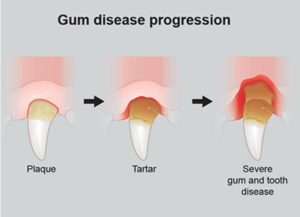
What Is Canine Dental Disease?
Canine dental disease starts when plaque (a sticky layer of bacteria) builds up on the teeth. If not removed, it hardens into calculus (tartar) due to minerals in the saliva. This appears as yellowish-brown deposits, especially along the gum line. At this stage, brushing alone won’t remove it—it must be scaled with an ultrasonic dental scaler under general anaesthetic by a vet or veterinary nurse.
Once tartar forms, it often leads to gingivitis—gum inflammation that causes red, swollen gums, bad breath (halitosis), and bleeding during chewing. Dogs may also show changes in eating habits, preferring soft food or becoming reluctant to eat.
If untreated, the infection progresses to periodontitis, which damages the ligaments and bone holding the teeth in place. This stage is often irreversible without treatment.
What Is a COHAT?
COHAT stands for Comprehensive Oral Health Assessment and Treatment, and typically includes:
- General anaesthetic – to allow a thorough oral exam that can’t be done while the dog is awake
- Dental x-rays – since 60% of the tooth is below the gum line, x-rays help detect root issues, fractures, and infections
- Scaling and polishing – performed after all other treatment (e.g., extractions) is completed
Why This Treatment Is So Important
- Chronic pain—often hidden—can significantly reduce quality of life
- Tooth loss, oral infections, and systemic spread of bacteria
- Links to heart, kidney, and liver disease—oral bacteria in the bloodstream can cause endocarditis or strain the kidneys
High-Risk Dogs
- Small breeds (e.g., Chihuahuas, Yorkies, Dachshunds) – harder to brush due to small mouths
- Brachycephalic breeds (e.g., Pugs, Bulldogs, French Bulldogs) – overcrowded teeth increase risk
- Dogs fed mainly soft or wet food
- Senior dogs or those with underlying health issues such as diabetes
Preventing Dental Disease
The best dental care is preventative. Encourage owners to build good habits early:
- Daily brushing with meat- or fish-flavoured dog toothpaste (never human toothpaste—fluoride and xylitol are toxic)
- Dental chews and diets approved by the VOHC
- Oral gels and water additives to support cleaning, especially when brushing isn’t tolerated
- Annual vet dental checks at minimum
How to Train a Dog for Tooth Brushing
Step 1: Begin by touching around the dog’s mouth and gently lifting the lip. Let them lick dog toothpaste from your finger. Praise and offer treats. Gradually slide your finger along the gum line for just a few seconds, repeating daily.
Step 2: Once comfortable, introduce a finger brush or soft dog toothbrush. Let them sniff it and taste the toothpaste before brushing the front teeth. Slowly move to the sides and back. Never force it—keep sessions short, positive, and reward-based. Over time, your dog will come to enjoy the experience.
For more detailed clinical guidance, consult our Vet Nurse.