


Canine Dental Disease: A Practical Guide for Animal Carers
By RVN Ros Sherlock | July 2025
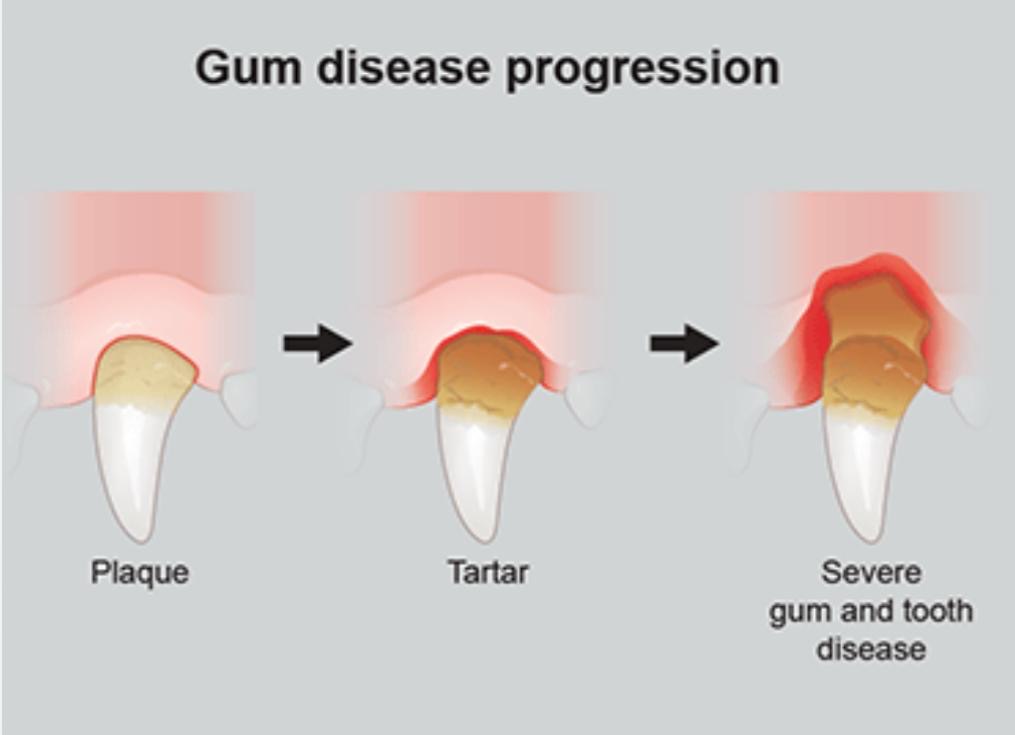
Dental disease is one of the most common problems we see in dogs, affecting over 70% by the age of three. It’s often overlooked by owners because the signs are subtle. Many dogs continue to eat and behave normally even when in pain. As animal care professionals, we can make a difference by spotting early signs and educating owners, especially new puppy owners.
What Is Canine Dental Disease?
Dental disease begins when plaque builds up on teeth. If not removed, it hardens into tartar (calculus), seen as yellow-brown deposits near the gum line. Once tartar forms, brushing alone won’t remove it—it must be scaled under general anaesthetic by a vet or nurse.
Tartar leads to gingivitis—gum inflammation causing redness, swelling, bleeding, and bad breath. Dogs may prefer soft food or chew less. Left untreated, it advances to periodontitis, damaging tooth support structures.
What Is a COHAT?
Comprehensive Oral Health Assessment and Treatment (COHAT) typically includes:
- General anaesthetic—for full oral examination
- Dental x-rays—reveals roots and hidden disease
- Scaling and polishing—after extractions if needed
Why This Matters
- Chronic pain reduces quality of life
- Tooth loss and oral infections may spread systemically
- Bacterial spread may affect heart (endocarditis), kidneys, and liver
High-Risk Dogs
- Small breeds (e.g., Chihuahuas, Dachshunds)
- Brachycephalic breeds (e.g., Pugs, Bulldogs)
- Dogs on wet diets
- Senior dogs or those with diabetes
Prevention Tips
- Daily brushing with pet-safe toothpaste (never human toothpaste—fluoride and xylitol are toxic)
- VOHC-approved dental diets/chews (see VOHC website)
- Oral gels or water additives as supplements
- Routine dental checks—minimum annually
Training Dogs for Tooth Brushing
Start by desensitising dogs to mouth handling. Gradually introduce a brush and pet toothpaste. Always use positive reinforcement and go slowly to build trust. get our services.
Final Thoughts
Dental disease is common, painful, and preventable. With early intervention and owner education, we can help dogs live healthier, pain-free lives. To learn more about how Halo Dogs supports canine wellbeing, explore our training programmes or get in touch today.